For many homeowners in Auckland, choosing window coverings comes down to a simple question: should you buy ready-made blinds or invest in custom blinds?
While ready-made options may seem convenient or inexpensive, they often fail to perform properly in real New Zealand homes. Window sizes, frame shapes, and installation conditions vary significantly, which means one-size-fits-all blinds rarely deliver the fit, light control, or durability homeowners expect.
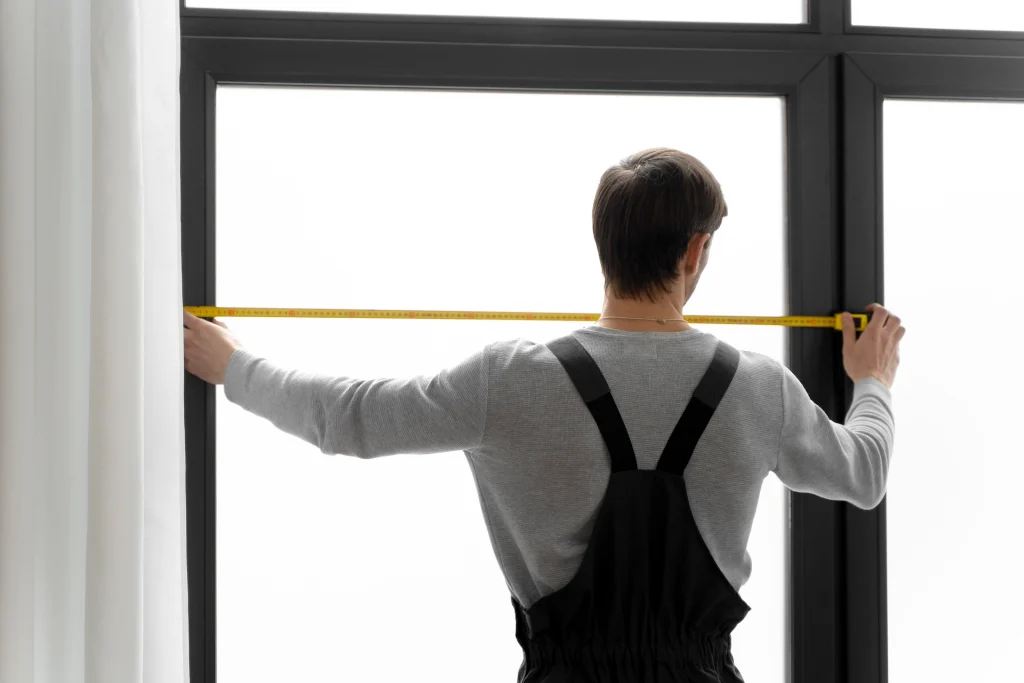
Custom blinds, by contrast, are professionally measured and manufactured specifically for your windows. This allows them to eliminate light leaks, improve insulation, and last significantly longer than cheap imported alternatives.
This guide explains why custom blinds consistently outperform ready-made blinds in Auckland homes, and why made-to-measure window coverings are usually the smarter long-term investment.
Yes. Custom blinds are generally better than ready-made blinds because they are designed specifically for the exact size and structure of your windows. This ensures a precise fit, improved light control, better insulation, and longer product lifespan.
Ready-made blinds are manufactured in standardised sizes for mass markets. Because most homes have slightly different window dimensions, these products often leave gaps, operate poorly, or wear out faster.
For Auckland homeowners, custom blinds provide millimetre-accurate fit, reduced light leakage, improved privacy, greater durability, and better energy efficiency.
Many ready-made blinds are produced overseas using standard international window measurements. Unfortunately, New Zealand homes rarely follow those exact dimensions.
Common issues found in Auckland properties include:
When ready-made blinds are installed in these conditions, gaps almost always appear around the edges. These gaps cause several practical problems:
Because custom blinds are measured specifically for each window opening, they can be manufactured to fit within millimetres of the frame, dramatically improving performance.
Plantation shutters are one of the most sought-after window coverings in Auckland homes, but they also require the highest level of manufacturing precision. Unlike roller blinds or curtains, shutters are rigid structures made up of solid frames, hinged panels, and adjustable louvres.
If the measurements are even slightly incorrect, the entire installation can be affected. Professionally manufactured shutters ensure:
Mass-produced shutter kits, by contrast, often require trimming or forcing components to fit. This can result in:
Custom-built shutter blinds eliminate these issues because they are designed specifically for your window dimensions and mounting configuration.
Light leakage is one of the most common complaints about ready-made blinds. Even a gap as small as 10–15 millimetres between the blind and the window frame can allow significant light into the room. This is particularly problematic in bedrooms, nurseries, media rooms, and home offices.
Custom blinds minimise light leaks through millimetre-perfect measurement and fabrication. During professional measurement, installers assess reveal depth, frame squareness, mounting position, hardware clearance, and blind fabric behaviour.
This allows the blind to be manufactured with extremely tight tolerances. Additional features such as blackout fabrics, side channels, and precise mounting systems can further improve light control.
For homeowners who need darker rooms for sleep or entertainment spaces, custom blinds provide significantly better results than standard retail products.
Yes. Custom blinds can improve thermal efficiency by reducing gaps around the window and creating a tighter barrier between indoor and outdoor temperatures.
Windows are one of the largest sources of heat loss in homes. When blinds fit poorly, warm air escapes through the sides and cold air enters the room. Made-to-measure blinds help improve insulation by:
In Auckland’s climate—where homes experience both strong summer sun and cooler winter temperatures—properly fitted window coverings can noticeably improve comfort.
At first glance, ready-made blinds may appear cheaper than custom products. However, the long-term costs often tell a different story. Cheap imported blinds frequently suffer from:
Custom blinds are typically manufactured using higher-quality materials and components designed for New Zealand conditions. Benefits include:
When you consider durability and performance over time, custom blinds often represent better overall value for Auckland homeowners.
Accurate measurement is the foundation of any well-performing window covering. Professional installers measure each window individually and account for factors that DIY measurements often miss, such as:
In many Auckland homes, window frames can vary 5–15 millimetres between different points, which is enough to cause problems for ready-made blinds. Professional measurement ensures your blinds are manufactured precisely for the installation conditions, resulting in a cleaner appearance and smoother operation.
For most homeowners, custom blinds are absolutely worth the investment. They offer clear advantages over ready-made blinds, including:
Because window coverings are used every day, choosing well-made blinds that perform properly can make a noticeable difference in both comfort and home aesthetics.
Auckland homes are incredibly diverse, ranging from older villas and weatherboard houses to modern architectural builds with large glass panels. Because of this variety, standardised window coverings rarely provide the fit or performance homeowners expect.
Custom blinds are designed specifically for your windows, ensuring precise installation, reliable operation, better light control, and improved durability.
For homeowners seeking a long-term solution that looks better and performs better, made-to-measure blinds remain the most reliable choice.
Not all custom blinds are created equal. The quality of the final result depends heavily on the supplier you choose, as well as their measuring, manufacturing, and installation processes.
A reputable Auckland custom blinds specialist like Home Vision Blinds will typically offer a full service that includes an in-home consultation, professional measurement, product recommendations, and expert installation. This ensures that the blinds are not only manufactured to the correct dimensions but are also installed in a way that maximises performance and longevity.
When comparing suppliers, it’s worth looking for companies that provide:
Seeing samples in your home can also make a significant difference. Lighting conditions, wall colours, and furniture can affect how fabrics and materials appear, so viewing options in the actual space helps homeowners choose blinds that suit both the function and design of the room.
Ultimately, custom blinds deliver the best results when they are measured accurately, manufactured to high standards, and installed professionally.
While ready-made blinds may seem like a quick and inexpensive solution, they often struggle to perform well in real Auckland homes. Standardised sizing rarely matches local window dimensions, which can lead to gaps, light leakage, and shorter product lifespans.
Custom blinds, on the other hand, are designed specifically for your windows. The precise fit improves light control, insulation, privacy, and overall durability.
For homeowners who want window coverings that look better, function properly, and last for years, made-to-measure blinds are almost always the smarter choice. Investing in professionally measured and manufactured blinds ensures your window coverings perform exactly as they should—providing comfort, efficiency, and style for your home long into the future.
Window coverings are evolving rapidly as technology, interior design, and lifestyle expectations change. In 2026, homeowners across Auckland and wider New Zealand are choosing window coverings that combine smart automation, minimalist aesthetics, and durable materials suited to local conditions.
From motorised blinds integrated into smart homes to textured Venetian styles returning to modern interiors, today’s window covering trends reflect how New Zealand homes are adapting to open-plan living, large glazing areas, and strong natural light.
This guide explores the top window covering trends shaping New Zealand homes in 2026, helping homeowners choose blinds and shutters that balance style, functionality, and long-term performance.
The biggest window covering trends in New Zealand homes for 2026 include:
These trends reflect a shift toward technology, simplicity, and natural tones that work well with both modern homes and renovated properties.
Motorised blinds have become one of the fastest-growing window covering trends in New Zealand as smart home technology becomes more common in modern households. Motorised systems allow blinds to be controlled through remote controls, wall switches, smartphone apps, and smart home automation systems. For Auckland homes with large windows or high ceilings, motorisation adds a level of convenience that manual blinds cannot match.
In many contemporary homes, large glazing panels and floor-to-ceiling windows are common. Motorised blinds allow multiple window coverings to be opened or closed simultaneously without adjusting each blind individually. This makes them particularly useful in open-plan living areas.
Motorised blinds can be scheduled to open and close automatically throughout the day. For example: closing during peak afternoon sun, opening in the morning to allow natural light, and adjusting automatically to reduce glare. This helps manage indoor temperatures and improve comfort throughout the year.
Because motorised blinds eliminate hanging cords and chains, they create a cleaner visual appearance while also improving safety in homes with children or pets. For these reasons, motorised window coverings are quickly becoming a standard feature in many Auckland new builds and renovations.
Minimalist interior design continues to influence residential architecture across Auckland. Clean lines, uncluttered spaces, and natural light are key elements of this style. Light-filtering blinds fit perfectly into this design approach.
Unlike blackout blinds, light-filtering fabrics allow natural daylight to enter while gently diffusing it. This creates a soft and comfortable indoor atmosphere while maintaining privacy. Light-filtering blinds are particularly well suited for living rooms, kitchens, dining areas, and home offices.
In these spaces, homeowners often want natural daylight without excessive glare. The result is a bright, airy environment that complements contemporary interior design while still offering practical light control.
While minimalist roller blinds remain widely used, 2026 is also seeing a return to textured window coverings that add visual depth to interior spaces. Two styles leading this trend are Venetian blinds and vertical blinds.
Venetian blinds feature horizontal slats that can be tilted to precisely control light levels. Modern Venetian blinds are now available in a wide range of finishes including timber-look materials, brushed aluminium, and composite finishes designed for durability. Textured finishes help add warmth and contrast to minimalist interiors, making Venetian blinds a popular option for bedrooms, living rooms, and studies.
Vertical blinds have evolved significantly from their earlier designs. Contemporary versions use softer fabrics and refined track systems that feel far more modern. In many Auckland homes, vertical blinds remain one of the most practical solutions for sliding glass doors, wide window openings, and floor-to-ceiling glazing. Their adjustable vanes provide excellent light control while maintaining easy access to outdoor spaces such as decks or patios.
Neutral colours continue to dominate interior design in Auckland homes, and window coverings are following the same trend. Popular blind colours in 2026 include warm white, soft grey, light taupe, sand tones, and natural timber finishes. These colours work well with many interior styles commonly seen in Auckland, such as coastal-inspired homes, Scandinavian-influenced interiors, and contemporary minimalist designs.
Neutral blinds also provide long-term flexibility. As furniture, flooring, and décor evolve, neutral window coverings remain easy to integrate with new design choices.
New Zealand’s environment plays an important role in choosing window coverings. Homes in Auckland often experience strong UV exposure during summer, high levels of natural daylight, and temperature variations between seasons. Because of this, many homeowners prioritise blinds that provide effective sun protection, durable materials resistant to fading, and adjustable light control throughout the day.
Modern window coverings are designed with these factors in mind, helping homeowners maintain comfortable indoor environments while protecting interior furnishings.
For many homeowners, motorised blinds are worth the investment due to the combination of convenience, energy management, and modern design they provide. Motorised blinds are particularly beneficial in homes that feature multiple large windows, high or difficult-to-reach windows, and integrated smart home systems. As smart home technology becomes more widely adopted across New Zealand, motorised window coverings are expected to become even more common in future home designs.
Although design trends evolve over time, several features consistently remain popular in New Zealand homes. Homeowners tend to prioritise window coverings that offer reliable light control, durable materials suited to local conditions, neutral colours that complement evolving interiors, and modern technology for convenience and comfort. Motorised blinds, light-filtering fabrics, textured Venetian blinds, and versatile vertical blinds all reflect a broader shift toward window coverings that combine style, practicality, and long-term value.
For Auckland homeowners planning renovations or building new homes in 2026, selecting window coverings that balance these elements can help create spaces that feel both contemporary and timeless.
As residential design continues to evolve across Auckland, window coverings are becoming more than just functional features. They are now an important part of how homes manage light, comfort, energy efficiency, and overall interior style.
The key window covering trends emerging in 2026—motorised blinds, light-filtering fabrics, textured Venetian styles, and modern vertical blinds—reflect a broader shift toward smarter, more adaptable living spaces. Homeowners are increasingly looking for window coverings that not only look good but also improve daily convenience and indoor comfort.
Advances in automation and materials are also helping blinds and shutters perform better in New Zealand’s unique climate. With stronger UV exposure and larger window designs becoming common in modern builds, durable and well-designed window coverings are playing a bigger role in protecting interiors and maintaining comfortable living environments. At the same time, the continued popularity of neutral colours and minimalist styles shows that many Auckland homeowners are prioritising timeless design choices that will remain attractive for years to come.
Ultimately, the best window coverings are those that balance technology, design, and practicality. By choosing blinds or shutters that suit both the architecture of the home and the lifestyle of the household, homeowners can create spaces that feel modern, comfortable, and built to last.
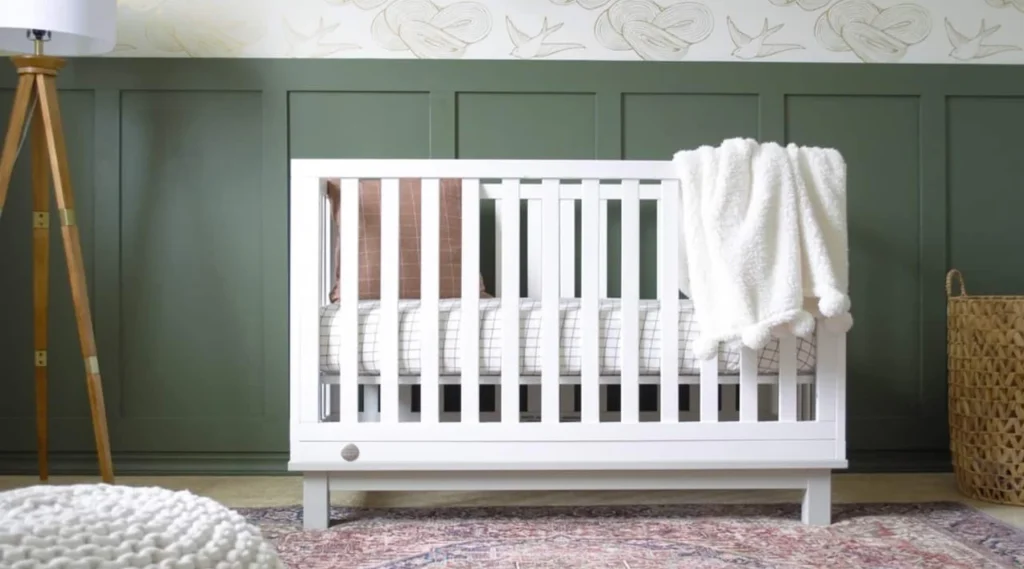
When choosing window blinds for a nursery, light control usually comes first. How much daylight enters the room, how early the sun brightens the space, and whether naps are affected by glare all play a role in how the room functions for sleep.
That said, a nursery is shaped by more than light alone. Sound also affects how well a baby rests. Sudden noises from inside the home or outside can interrupt sleep, particularly during lighter sleep stages. Looking at both light and sound together gives parents a clearer view of how the room behaves throughout the day and night.
Greg Nel, owner of Nelly Boo, notes that creating a sleep-positive environment is often about managing these transitions.
“We often see parents looking for ways to make the nursery feel like a sanctuary,” says Nel. “It’s not just about one product; it’s about how light control and consistent sound work together to tell the baby’s brain that it is time to switch off, regardless of what is happening in the rest of the house.”
A nursery environment is influenced by both visual and auditory input. Darkness can help signal rest, while sound consistency can reduce disruptions.
Everyday noises such as doors closing, appliances switching on, or voices from other rooms can wake a baby during naps or overnight sleep. These sounds are often irregular, which makes them harder to ignore.
Some families use white noise to create a steady background sound. This does not eliminate noise, but it can soften sudden changes in volume and reduce startle responses for some babies.
Blackout thermal blinds are commonly used in nurseries to manage light and temperature together. The blackout fabric limits daylight entering the room, which can help during naps or early mornings.
The thermal backing helps reduce heat loss in cooler months and limit heat entering through the window in warmer weather. This can support a more consistent room temperature across seasons.
While not designed to block sound, thicker blind fabrics can slightly reduce external noise and soften echoes within the room when combined with other sleep supports.
If light is managed by blinds, sound is managed by “filling” the room with a steady, soothing frequency. Everyday household noises, such as the hum of a vacuum, siblings playing, or a car starting outside, are irregular. These spikes in volume are what interrupt a sleep cycle.
White noise machines are frequently used to create a “sound blanket.” Rather than trying to achieve perfect silence (which is nearly impossible), these tools provide a constant background tone that softens the impact of sudden noises.
When choosing sound tools, many families opt for devices that offer:
Nurseries that account for both light and sound tend to feel more predictable throughout the day. Using blinds that limit unwanted light alongside a consistent sound source can reduce sudden environmental changes that interrupt rest.
This approach does not guarantee longer sleep, but it can help create clearer cues between rest and wake periods. For many families, small adjustments to the room setup make routines easier to manage, especially while sleep patterns are still developing.
Auckland’s unique subtropical climate presents both opportunities and challenges for homeowners choosing window treatments. With temperatures that typically peak between 24-26°C in January and February and humidity that remains relatively high year-round, selecting the right blinds isn’t just about style—it’s about protecting your home, reducing energy costs, and maintaining comfort throughout the changing seasons.
As Auckland’s leading blind manufacturer with over 30 years of local experience, we’ve helped 60,000+ Kiwi families navigate these climate considerations. This comprehensive guide will help you make informed decisions that work specifically for Auckland’s weather patterns.
Auckland experiences a subtropical climate, positioning it in a unique zone where traditional temperate climate advice doesn’t always apply. This creates specific requirements for window treatments that many homeowners don’t initially consider.
Key Climate Factors Affecting Your Blinds:
Aluminium Venetians: The Office Solution
PVC Faux Wood: The Humidity Hero
PVC Shutters: The Coastal Premium Choice
Dual Roller Blinds: The Coastal Favorite
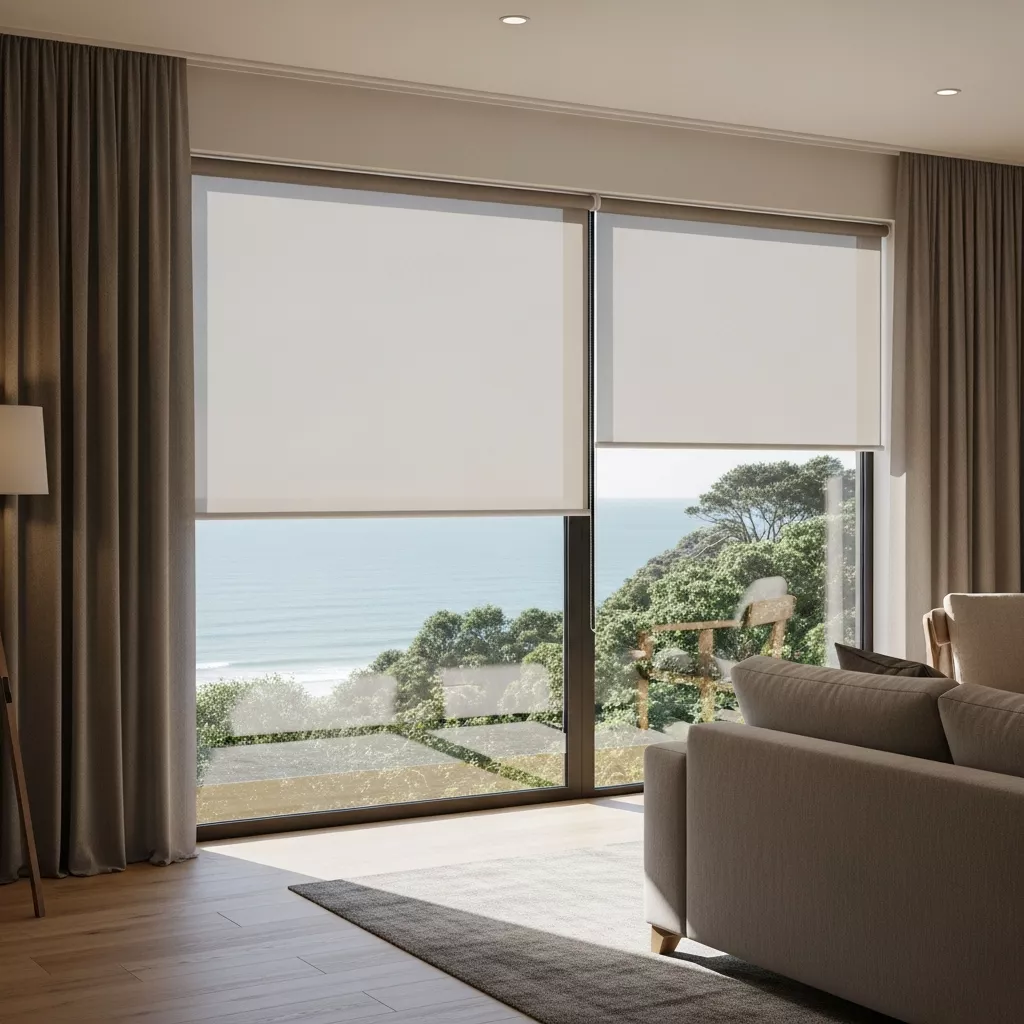
Sunscreen Roller Blinds: The UV Shield
Vertical Blinds: The Versatile Performer
Living Areas (North-Facing): Auckland’s north-facing rooms receive intense sun exposure. Sunscreen blinds with 5-10% openness factors work best, blocking UV while preserving natural light. For energy efficiency, combine with blockout blinds for a dual-system approach.
Bedrooms (East-Facing): Morning sun in Auckland can be intense. Blockout roller blinds provide sleep comfort, while adding day/night honeycomb blinds creates an insulation barrier against temperature fluctuations.
Bathrooms and Wet Areas: Auckland’s high humidity makes PVC venetians or moisture-resistant roller fabrics essential. Avoid real wood in these spaces—even treated timber struggles with sustained humidity.
Home Offices (Variable Orientations): Glare control is crucial for screen work. Sunscreen blinds reduce glare by up to 94% while maintaining exterior views—perfect for Auckland’s scenic locations.
Our experience with Auckland homes shows consistent energy efficiency patterns:
Summer Cooling Savings:
Winter Heating Benefits:
Year-Round Comfort: Auckland homeowners report 3-5°C temperature improvements with quality climate-appropriate blinds, reducing reliance on heating and cooling systems.
Summer (December-February):
Autumn (March-May):
Winter (June-August):
Spring (September-November):
For Aluminium Venetians: Dust regularly and clean blades with a damp cloth to maintain appearance and function.
For Fabric Blinds: Use dehumidifiers in rooms with poor ventilation to prevent mold growth during Auckland’s humid periods.
For Motorized Systems: Ensure electronics are protected from moisture; consider dehumidification in particularly humid rooms.
Modern smart blinds can automatically respond to Auckland’s variable weather:
Highest ROI Investments:
Budget-Friendly Climate Solutions:
Premium Climate Investments:
Don’t Choose: Real wood venetians for bathrooms or high-humidity areas. Do Choose: PVC VisionWood® alternatives designed for NZ conditions.
Don’t Choose: Standard fabric roller blinds for west-facing windows without UV treatment. Do Choose: Sunscreen fabrics with proven UV protection ratings.
Don’t Choose: Standard venetians with non-marine components in coastal areas. Do Choose: PVC shutters or dual roller systems tested for NZ coastal conditions.
PVC venetians and quality roller blinds perform best in Auckland’s humidity. These materials won’t warp, swell, or develop mold like natural timber can. For wet areas like bathrooms, our VisionWood® PVC range is specifically engineered for New Zealand conditions.
Auckland’s combination of UV exposure, humidity, and salt air (in coastal areas) can reduce blind lifespan by 30-40% if inappropriate materials are chosen. However, climate-appropriate materials like quality PVC and marine-suitable fabrics actually perform well in our conditions.
Rather than changing blinds seasonally, choose versatile solutions that handle Auckland’s year-round challenges. Sunscreen blinds work year-round for UV protection, while adjustable systems provide seasonal light control without replacement needs.
Darker shades absorb more solar radiation and transmit less light, offering better visibility during the day, while lighter colors reflect heat better. For Auckland, medium tones often provide the best balance of visibility and heat reflection.
Yes, coastal installations require appropriate hardware and additional securing for wind resistance. Salt air also demands more frequent maintenance schedules—quarterly cleaning vs. annual for inland areas.
Auckland homeowners typically see 15-30% reduction in heating and cooling costs with climate-appropriate blinds. The exact savings depend on window orientation, blind type, and home insulation, but average savings are $200-500 annually for a typical Auckland home.
Before choosing blinds for your Auckland home, consider:
✓ Window orientation: North and west need maximum UV protection.
✓ Suburb location: Coastal areas need salt-resistant materials.
✓ Room humidity levels: Wet areas need moisture-resistant options.
✓ Energy goals: Identify heating/cooling priorities.
✓ View priorities: Balance protection with outlook preservation.
✓ Budget allocation: Prioritize climate-critical windows first
Every Auckland home faces unique climate challenges based on elevation, orientation, and proximity to water. Our local team has worked with over 60,000 windows in Auckland and understands the microclimates across the region.
What We Recommend Based On:
Our Product Warranty:
Ready to protect your Auckland home with climate-smart blinds? Book your free measure and quote today. Our Auckland team services from the CBD to Pokeno and Warkworth, bringing 30+ years of local climate expertise directly to your home.
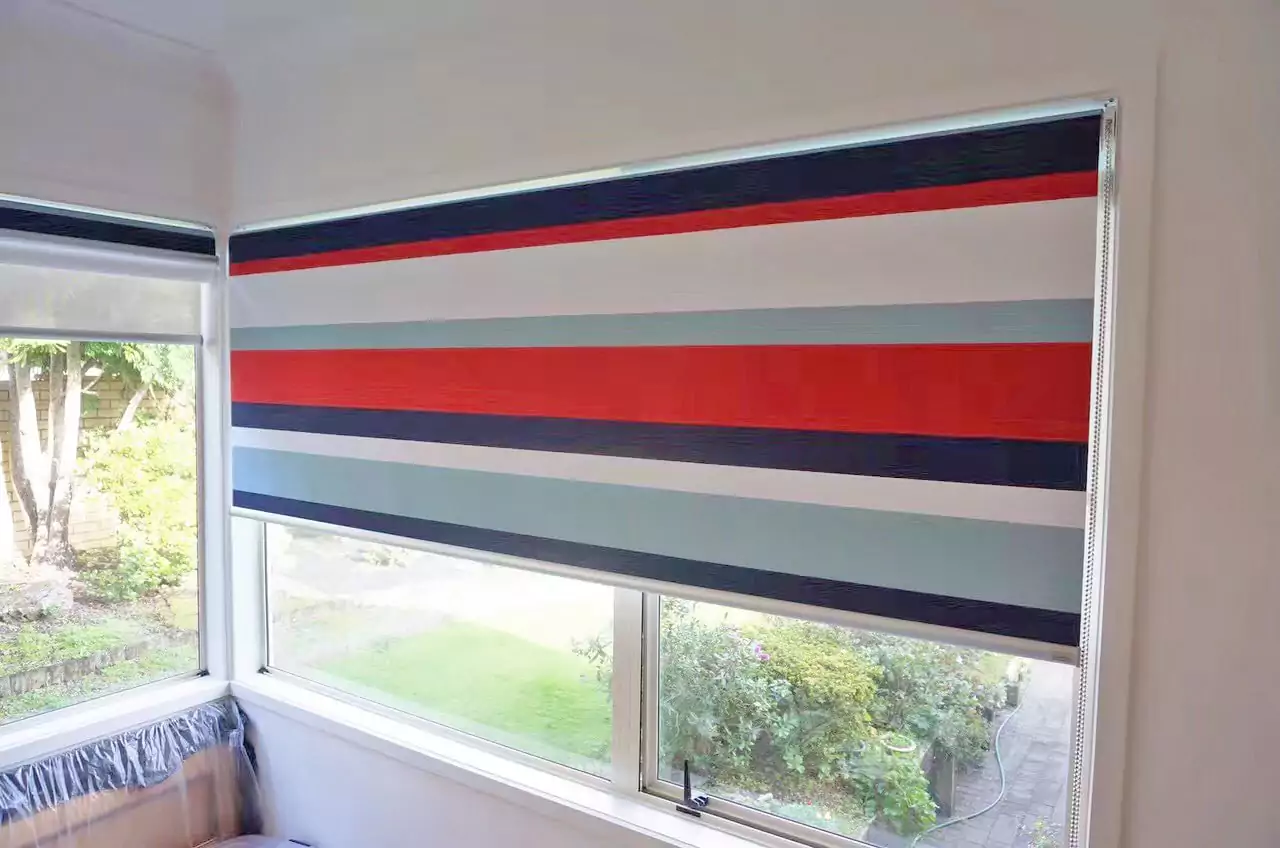
Roller blinds are one of the most popular window covering options because they’re simple, versatile, and work well across different rooms in the home. But not all roller blinds are the same. The type of fabric you choose has a big impact on how much light enters the room, how much privacy you get, and how the space feels overall.
If you’re deciding which option is right for your home, here’s a clear breakdown of the different types of roller blinds and where they work best.
Roller blinds are designed to suit a wide range of spaces because they come in different fabric types rather than completely different structures. This means you can keep a consistent look throughout your home while adjusting the level of light and privacy in each room.
The three main types are:
Each serves a different purpose depending on how you use the space.
Blackout roller blinds are designed to block out as much light as possible. They are ideal for rooms where darkness and privacy are important, such as:
Because they significantly reduce incoming light, they can help improve sleep quality and reduce glare on screens. They also provide a high level of privacy, making them a good choice for street-facing windows or rooms close to neighbours.
Keep in mind that while they block light effectively, small gaps around the edges can still allow some light in unless paired with curtains or fitted closely.
Sunscreen roller blinds are designed to reduce glare while still allowing natural light and visibility. They use a mesh-like fabric that filters sunlight rather than blocking it completely.
These are best suited for:
Sunscreen blinds help:
They’re a good option if you want to keep your space bright without dealing with harsh sunlight.
Light-filtering roller blinds sit between blackout and sunscreen options. They allow natural light to enter the room while softening its intensity and maintaining privacy.
These work well in:
They are especially useful for creating a softer, more diffused lighting effect without making the room feel dark. If you want a balance between brightness and privacy, this is often the most flexible option.
Different rooms have different needs, so it’s common to use a mix of roller blind types throughout the home.
For example:
Using the right type in each space improves both comfort and functionality without changing the overall look of your home.
All types of roller blinds can be operated manually or upgraded to automation. Motorised blinds offer additional convenience, especially for:
Motorisation allows you to:
This makes it easier to control light throughout the day without constant manual adjustment.
While the type of blind determines light control, fabric quality also plays a role in performance. Factors to consider include:
Choosing a higher-quality fabric ensures your blinds not only look good but also perform well over time.
The best choice depends on your home, your windows, and how each room is used. In many Auckland homes, for example, strong sunlight during certain times of the day makes glare control just as important as privacy.
Getting the right combination of blind types can make a noticeable difference to comfort, especially in rooms you use frequently.
Roller blinds are popular for a reason. They offer a simple, effective way to control light and privacy while maintaining a clean, modern look. By choosing the right type for each room, you can create a home that feels comfortable, functional, and consistent throughout.
Venetian window blinds are a popular and practical choice for homeowners and office spaces. However, with so many materials available, deciding which is best suited for your needs can be challenging. Two of the most popular materials for these blind types are PVC and aluminium, each with unique features and benefits. We explore the differences between PVC and aluminium blinds, so you can make an informed decision and choose the best type of blind for your space.
1. Materials PVC blinds are made from a type of plastic called polyvinyl chloride, which consists of 57% chlorine derived from salt. This high chlorine content makes PVC blinds fire retardant. This material is also lightweight and durable, has good resistance to moisture and humidity, and provides excellent insulation for windows, making them an energy-efficient option for those looking to reduce their heating and cooling bills.
On the other hand, aluminium blinds are made from lightweight metal and are strong, durable, and long-lasting, making them a good choice for high-traffic areas or use in commercial settings. Aluminium can be crafted into blind slats with a smaller width than PVC blinds, allowing for tighter closure and less light leakage for better light control and privacy options.
2. Appearance One of the most noticeable differences between PVC and aluminium blinds is their standalone appearance. PVC blinds often have a smooth, glossy finish, while aluminium blinds have a metallic look. PVC blinds can be an excellent choice for a modern or minimalist aesthetic, while aluminium blinds can be ideal for a more industrial or sleek look. Both PVC and aluminium blinds are available in different materials and finishes, including matte and metallic. They can be custom painted to complement your décor or to fit any window size or shape. This allows for greater customisation and flexibility when choosing the right blinds for your space. For example, PVC blinds can be a great, long-lasting alternative to real wood blinds.
3. Durability and Maintenance PVC and aluminium blinds are both known for their durability and low-maintenance nature. Polyvinyl chloride is a type of plastic resistant to moisture, sunlight, and extreme temperatures. Aluminium is a strong and sturdy material that can withstand wear and tear with excellent resistance to moisture and humidity. This makes them ideal for use in high-humidity areas like bathrooms, kitchens, and other areas. They are also easy to clean and maintain and do not require special cleaning products or treatments. They can be easily wiped down with a damp cloth or sponge and mild soap, making them an excellent choice for homeowners who want to keep their blinds looking clean and fresh. As durable and long-lasting blind options, PVC and aluminium blinds are perfect for use in high-traffic areas or homes with pets and children.
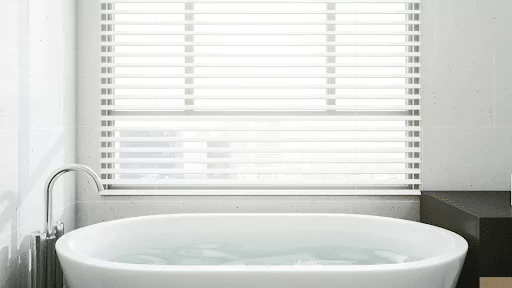
4. Price Regarding price, PVC blinds are generally more affordable than aluminium blinds. PVC is a more economical material to produce, making it a popular option for those on a tight budget.
Aluminium blinds, on the other hand, are usually more expensive than PVC blinds. This is due to the higher cost of the raw materials and the more complex manufacturing process involved. Overall, the specific cost of PVC and aluminium blinds can vary depending on factors such as the brand, size, finish, and choice of supplier.
Find the Perfect Match from Home Vision Blinds
Although there may be differences between PVC and aluminium blinds, they are both great options, depending on your specific needs and preferences. You can even combine both PVC and aluminium Venetian blinds throughout your space. By considering factors such as the room, look and style, durability, maintenance, and price, you can make an informed decision and choose the best blinds for your home or office, ensuring your blinds look and perform their best for years to come. At Home Vision Blinds, we have been providing high-quality, customised blinds to customers in New Zealand for over 20 years. We offer a 5-year guarantee on each of our blind products to give you peace of mind in your purchase. Our commitment to service and passion for delivering only the best have fuelled how we treat each job with the highest attention to detail. For more information on choosing blinds in Auckland for your home or office, reach out to our experienced team for a free personalised consultation and quote. We’ll help you find the best option for your needs at an affordable cost. Browse our range of blinds online today!

Venetian blinds offer timeless style and incredible functionality in your home, but they’re often overlooked when doing your routine cleaning, resulting in the build-up of dust and grime. Not only is this unsightly, but it can also impede performance and make the blinds more challenging to clean over time. The horizontal slats of this blind type can accumulate dust and dirt easily; this can be difficult to spot if you don’t adjust your blinds frequently or the slats are angled away from you. We discuss how to clean PVC blinds so you can keep them looking great for a long time.
To clean blinds, you will need a soft microfibre cloth, feather duster, or vacuum cleaner with a soft-bristled attachment to remove dust and dirt from the slats and avoid leaving scratches. Regular wipe-downs and cleaning will help maintain your PVC blinds for longer; this also means you won’t need to deep clean them as often.
Your PVC Venetian blinds may become stained, especially in high-traffic areas like kitchens and bathrooms. Use a microfibre cloth with equal parts vinegar and water solution in a bowl on the stain and dry thoroughly. Your PVC blind slats are delicate and can easily get damaged if too much pressure is applied while cleaning. Take care to be gentle while cleaning and avoid scrubbing too hard.
Occasional deep cleaning of your PVC Blinds helps removes any build-up of dirt, dust, and grime accumulated over time and extends their lifespan. You should deep clean your blinds whenever you notice significant grime build up or if regular light cleaning isn’t sufficient. Although this time-consuming process requires removing your blinds from their frame, it is an excellent method to restore your blinds to a fresh-looking state.
Remove your PVC blinds from the frame as indicated by the manufacturer’s instructions and relocate them to a bathtub or outdoor area for easy cleaning. Add a mild detergent or vinegar and water in equal parts to a bowl. Grab a clean cloth or another soft cleaning tool, such as a microfibre cloth or non-abrasive sponge, and carefully clean each slat individually, making sure to get both sides. Give your PVC blinds a thorough rinse with clean water, and use a dry cloth to dab off most of the moisture. Let your blinds air dry completely before remounting them on the frame to avoid water spots or mould formation.
With over 30 years of experience in the industry, Home Vision Blinds is one of the largest blinds manufacturers in New Zealand, offering an extensive range of affordable yet high-quality blinds. In addition to being fully customisable in different colours and styles to suit your aesthetic needs, our PVC Venetian blinds are also easy to clean and maintain. For stylish, long-lasting, and functional Venetian blinds in NZ, shop now or ask the experts from Home Vision Blinds for more advice on how to clean PVC blinds.
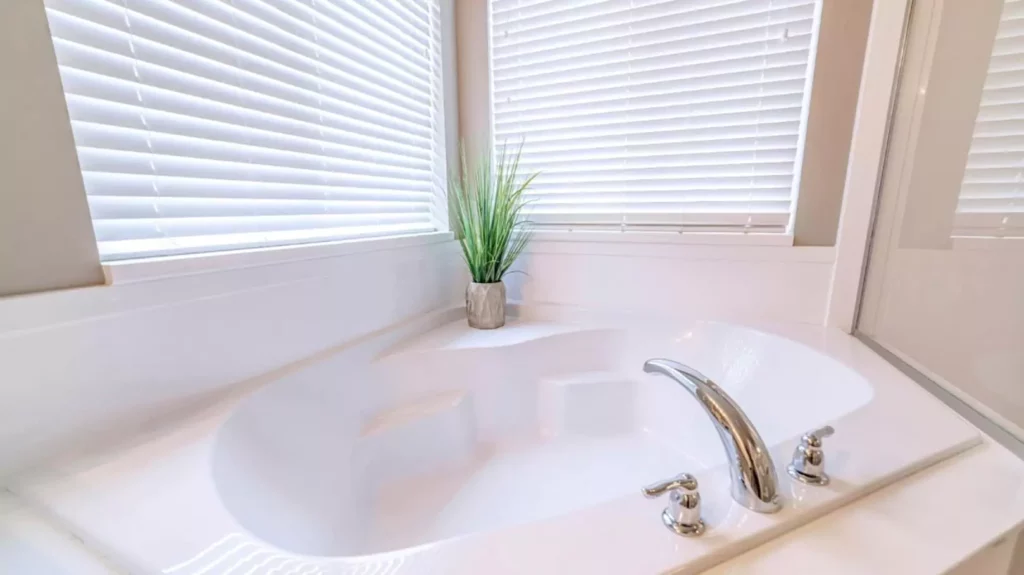
Bathroom blinds need to do more than just look good. They have to handle moisture, provide privacy, and still allow you to control natural light. Unlike other rooms in your home, bathrooms are exposed to high humidity, temperature changes, and regular water exposure. Choosing the wrong material can lead to warping, mould, or blinds that don’t last.
If you’re deciding what blinds are best for your bathroom, here’s what to look for and which options tend to work best.
Before choosing a style, it’s important to understand what your bathroom actually needs.
Bathrooms are high-humidity spaces, so materials need to withstand steam and condensation. Fabrics or untreated wood can absorb moisture and deteriorate over time.
Bathrooms require a higher level of privacy than most rooms. Your blinds should allow you to block visibility while still letting in natural light where possible.
Blinds in bathrooms need to be easy to clean. Surfaces that can be wiped down quickly are far more practical than those that require delicate care.
Natural light is important, especially in smaller bathrooms. The right blinds should let you adjust brightness without compromising privacy.
Not all blinds are suited to humid environments. These options tend to perform best in bathrooms.
Venetian blinds are one of the most reliable choices for bathrooms, particularly when made from aluminium or PVC. They are:
Unlike timber blinds, aluminium and PVC versions won’t warp or crack when exposed to humidity. This makes them ideal for bathrooms, laundries, and kitchens.
They also give you flexibility. You can tilt the slats to let light in while maintaining privacy, which is especially useful in street-facing bathrooms.
Roller blinds are another practical option, provided you choose the right fabric. Modern roller blinds can be made with moisture-resistant coatings, making them suitable for bathroom use. They offer:
For bathrooms that need more natural light, sunscreen roller blinds can be used to filter light while still maintaining a level of privacy. However, it’s important to avoid untreated or absorbent fabrics, as these can hold moisture and lead to mould over time.
PVC shutter blinds are a durable alternative to blinds and work particularly well in bathrooms. They are designed to:
The adjustable louvres allow you to control both light and airflow, and because they are fixed in place, they don’t move around like fabric blinds. Shutters tend to suit bathrooms where you want a more structured, long-term solution rather than a softer window covering.
Some materials are not well suited to bathroom environments. Avoid:
These options may look good initially but often don’t hold up well in humid conditions.
Even the best blinds will last longer with proper ventilation. Simple habits can help:
Reducing humidity levels helps prevent mould and keeps your window coverings in good condition.
Bathrooms often need both privacy and natural light at the same time. Blinds that allow partial adjustment, like Venetian blinds or light-filtering roller blinds, are useful because they let you:
This balance is especially important in smaller bathrooms where natural light can make the space feel larger.
The best choice depends on your bathroom layout, window size, and how much ventilation the space has. For example, in many Auckland homes, where humidity levels can vary, moisture-resistant materials are essential for long-term durability.
If your bathroom has limited airflow, prioritising PVC or aluminium options will usually give better results over time.
Choosing the right blinds for your bathroom improves both functionality and appearance. The right option will:
If you’re unsure which solution will work best, you can book a free measure and quote to get advice tailored to your space.
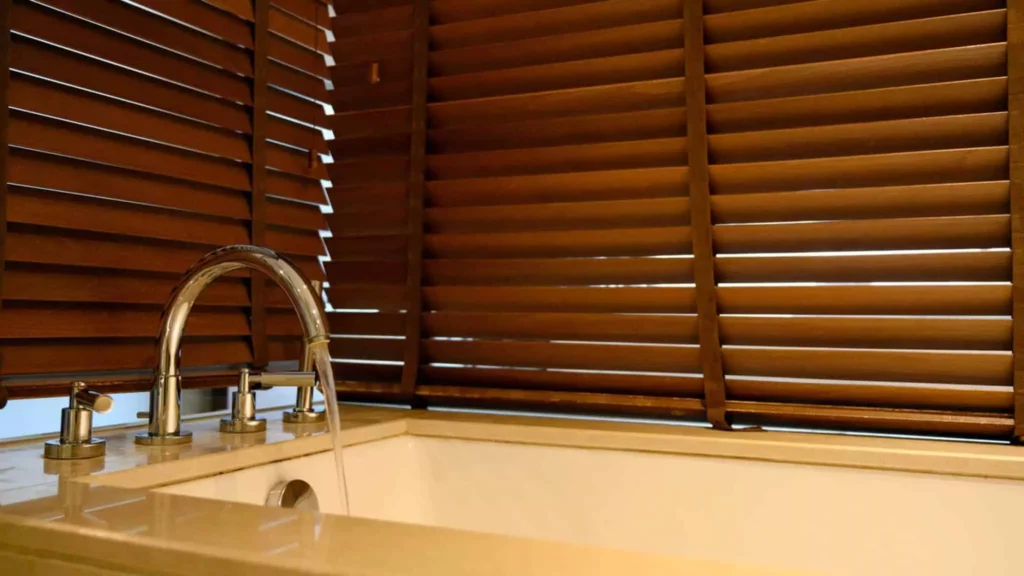
Choosing the right blinds for your home is essential to making your space your own. A common question we get from our customers is which type of blind is better: shutter blinds or Venetian blinds? The truth is, when it comes to shutters vs Venetian blinds, the answer is unique to the homeowner.
That’s why we’re breaking down each kind for you here! Explore which window treatment is right for you and where you might want to put them in your home.
Interior shutters or shutter blinds mirror the vintage-style shutters of older homes. They’re mostly designed to be closed manually, i.e., by pushing the slats closed with your hand. Shutter blinds are great everywhere in the home, but they’re especially good in humid or high-sun areas. The kitchen and the bathroom are great places to include these practical shutters.
Shutter blinds have a clear-cut vintage aesthetic that can greatly impact your home. They’re ideal in spaces inspired by farmhouse, vintage, or coastal styles, as they have an old-world feel you can’t ignore.
You can source these blinds in a variety of materials. One of the most common types of shutter blinds is made from PVC; they’re easy to clean and excellent for damp environments like your kitchen or bathroom.
Shutters are excellent for privacy. While open, they still partially obscure an outsider’s view into your home while providing plenty of natural light to you. When closed, they completely cut off the view from outside. They cannot accidentally be disturbed, making them an ideal bathroom addition.
In the battle between shutters and Venetian blinds, these built-in shutters have a unique quality that sets them apart. These blinds are built into your window frame, so no frustrating clatter or rattles will plague your ears when the wind picks up. This makes them easy to clean or dust as part of your regular cleaning routine. Plus, pets or children are far less likely to get tangled up in these fixed shutters than in hanging blinds.
Venetian blinds are a timeless classic. They’ve been used in luxury homes since their invention, reflecting the high-society tastes of their namesake country, Venice. These blinds are versatile and stylish, with the option for natural textures or a cleaner, more convenient aluminium variation.
To keep your blinds in tip-top shape, you need only give them an occasional wipe-down or dusting. It’s important to avoid using wooden Venetian blinds in humid areas like your kitchen, bathroom, or laundry, as this can cause them to grow mould. However, their PVC or aluminium counterparts are ideal for the more humid areas of your home.
In the battle between shutters and Venetian blinds, the latter often comes out on top if you prefer a luxurious feel. With a name like ‘Venetian blinds’, is it any wonder that these window treatments harken back to the classically elegant style of Venice? No matter the material you choose, these broad slats and delicately angled design help a space feel modern, clean, and luxurious.
With fixed shutters, you can never remove them and allow all the light to stream in. However, thanks to retractable Venetian blinds, you can roll them to the top of the window and allow all the light in. This is wonderful if you have big windows or are a lover of natural light in your home.
Are you confident in your choice, or are you still unsure whether shutters or Venetian blinds win the day? Either way, reach out to the team at Home Vision Blinds. We partner with local suppliers to ensure your home receives the best New Zealand blinds. We offer an affordable, high-quality service that ensures you get the best blinds for you. Reach out today!
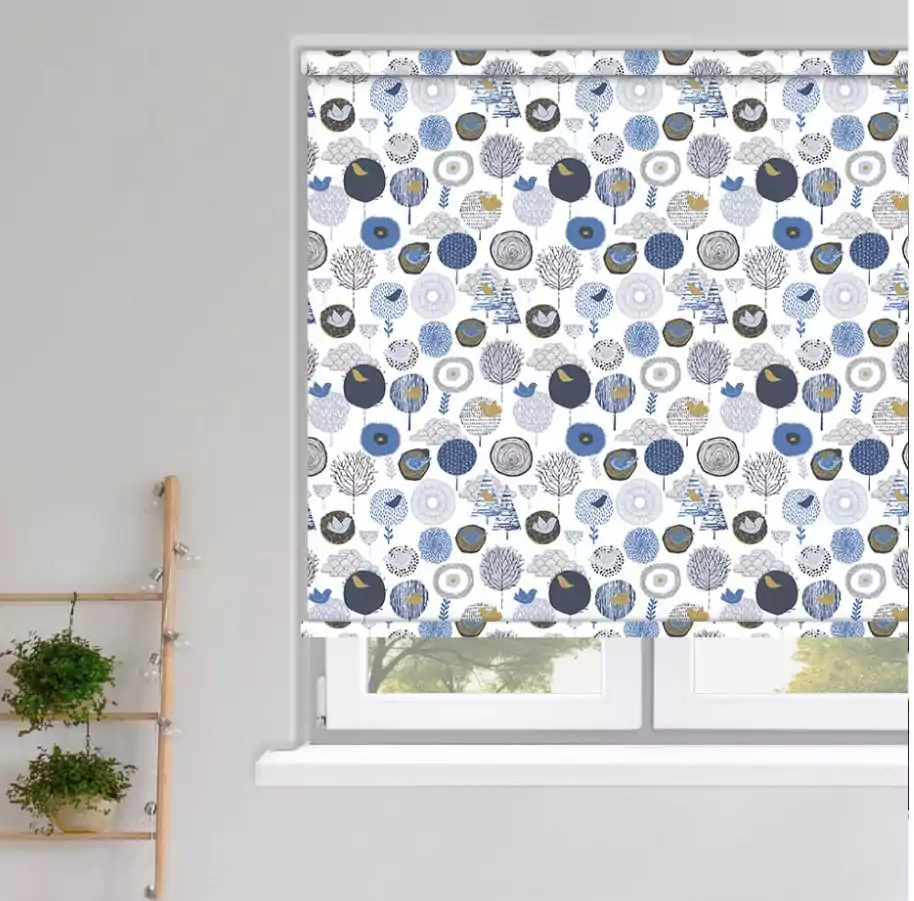
Patterned blinds aren’t restricted to forgotten old, chequered décor relics you see in your grandma’s home kitchen. When styled according to the needs of your home, they can enhance the look of any room and become a gorgeous statement piece. New styles are released each season in the Louvolite fabric range, offering you hundreds of options.
New blinds are perfect for rental properties as they do not cause permanent damage and are a simple and easy way to transform a space. We discuss choosing the perfect blinds to add a statement piece or a cohesive design to your home.
Think about the purpose of your room. A child’s room will benefit from playful colours and prints like an alphabet pattern, animals, or planets for a whimsical feel. Create a nurturing and creative space for your child to enjoy and thrive in with the Louvolite collection for kids.
Brighten your living room or kitchen with stylish floral accents; breathe fresh air into your existing décor and add an inviting pop of colour. Make sure the pop of colour matches your cushions or tablecloth to tie in the design. Otherwise, if you’re feeling fashion-forward and want something unique, go for a tasteful abstract print with added texture. Soothing colours in monochrome or muted colours will work wonders to create a relaxing oasis in bedrooms.
Patterned blinds don’t just look great in residential homes; they brighten up your office or business with subtle patterns and hues. Layered monotone stripes or minimalistic structures create interesting designs while remaining professional.
Highly customisable patterned roller blinds come in different fabric selections, catering to the needs of any room. A blackout material offers complete sun protection and heat reflection in any season. This fabric offers great energy efficiency due to its insulating properties and helps you save on energy bills during weather changes. It also provides complete privacy in the bedroom and minimises light interruption in the morning for quality sleep.
A sunscreen material offers light filtering qualities to block up to 75% of the sun’s rays for gorgeous light streams without obstructing your view of the outdoors. This effect offers a great level of privacy at any time of day and is highly UV-resistant, protecting your furniture from fading.
Alternatively, you can choose dual roller blinds hung from the same bracket with different materials for a catered light solution you can adjust accordingly to the time of day.
Home Vision Blinds is one of New Zealand’s largest blinds manufacturers, and all our patterned blinds are made locally in our East Tamaki factory. With over 30 years of expertise in providing clients with personalised blind solutions, we offer competitive pricing and a 5-year warranty on all our blinds.
Enjoy premium products at a reasonable price and express yourself creatively with high-quality, custom-patterned blinds. Deck out your house with a fashionable statement piece; order your blinds from our online store now!