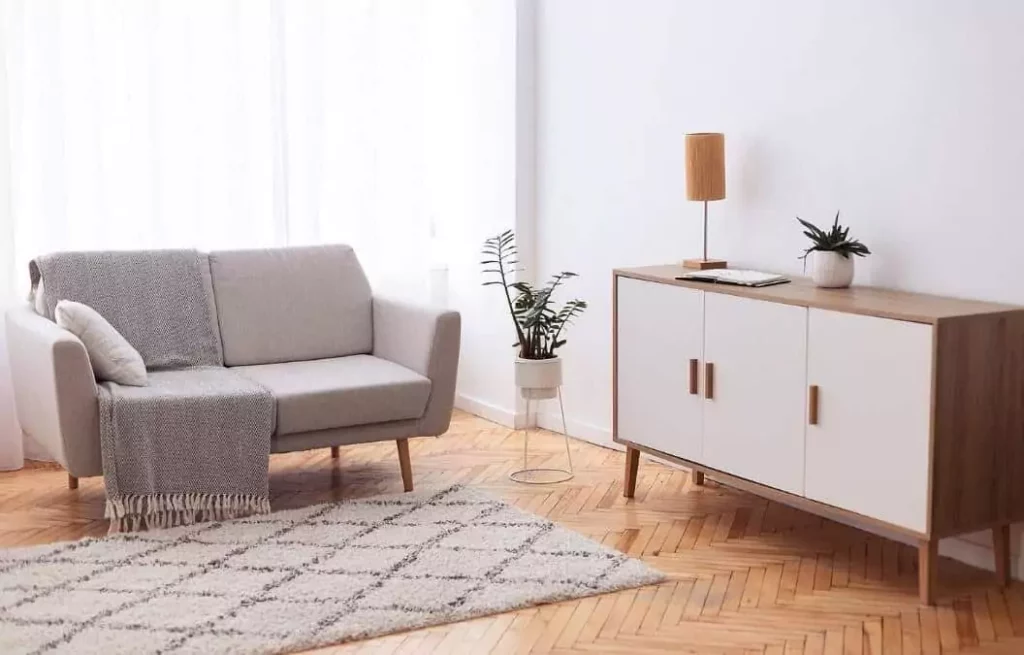
When it comes to renovating or decorating small rooms the opportunities can feel very limited. If you’re lamenting how small and confined your bedroom or living space feels, then this blog post is for you. From coordinating your colour scheme to optimising windows with custom blinds, we reveal a variety of simple techniques that you can use without knocking down walls or breaking the bank. To find out more, read on!
If there’s one thing that makes a room feel suffocating and hard to relax in, it’s too much clutter. Think about how much you really need, and which items have just been sitting there, collecting dust for the last ten months. When organising your items, make sure to sort out the things you want to keep from the things you don’t need, don’t think about, or don’t use. You can donate, sell, or discard stuff that you don’t want anymore, and can re-arrange the things you keep to make your space feel orderly and open.
Lighting is an important aspect to consider for every home. If you have access to natural lighting, the best way to make the most of it is to choose the right window blinds. For example, venetian blinds are compact and stylish, offering efficient light control and timeless elegance to any setting. As another example, the easy efficiency and modern design of sunscreen roller blinds make them an excellent solution to consider as well.
For rooms and homes that have limited access to natural lighting, the best thing to do is to maximise artificial lighting. When bringing in artificial lighting, a good rule of thumb is to brighten up every area where a task takes place (e.g., dining room, living room, and study space). For example, light-filtering options allow sunlight in while softening glare, and adjustable blinds let you control brightness throughout the day. Styles like roller blinds NZ and venetian blinds NZ are especially effective because they offer flexible light control without adding visual bulk to the room.
When considering a colour scheme, there are a few ways you can go about it. Coordinating walls, décor, and furniture is a great way of making a space feel balanced and organised. Another tip we suggest is to keep the colour of your walls and ceiling the same, as this helps removes the sense of restrictive corners and allows the mind to perceive the space as larger.
Other recommendations include either going for light hues or opting for a monochromatic colour scheme.
While darker colours can make space feel closer and more intimate, light hues can soften the feel of a space and make it appear more open and airier.
While touches of colour can bring personality into a setting, too much contrast can make a small space feel even more cluttered. Using a monochromatic colour scheme that incorporates only a few tones can help unify a space and make it feel more refreshing.
Often an interior can feel more cramped and stifling if the furniture is too big and blocks up the area. If you’re repositioning furniture that is already in the space, try moving it away from walkways, this will create an open layout and make the area feel larger. For shelving and tall furniture, place them against the walls to keep the floor visible and the space feeling open.
If you’re buying new furniture, the best thing to do is to opt for compact, smaller furniture designs, like armless open chairs, ottomans, and low tables. M. That said, it’s important to avoid making the room too busy with little items though—choose wisely and sparingly. If you fall in love with a piece, make sure to get the dimensions before you buy to see if they fit in your room, and ensure that the furniture is small enough to fit through any hallways or stairwells that connect the entrance to your home to the room. Laying down tape in the room that shows the exact measurement of the furniture will also let you see how much space the item will take up before investing.
Using clear, see-through décor and furniture is a great way of making an interior feel more spacious and minimise the closed-in feeling of a crowded interior. For example, a glass or Lucite tabletop with a sturdy base of wood, stone, or metal will allow you to see to the floor, opening the view.
If you’re looking for ways to arrange items and clear space at the same time, freestanding shelving systems can not only be used to organise and declutter décor, they can also increase a home’s interior design possibilities. For example, in rooms that need to be used for multiple tasks, such as studying and relaxing, freestanding shelving can act as a room divider without making a room feel smaller. You can see the whole space in its entirety.
Window furnishings can make a bigger difference than most people expect. Heavy or bulky curtains can make a room feel smaller, while streamlined blinds can help maintain a clean and open look. For smaller spaces, consider roller blinds for a minimal and modern finish, sunscreen blinds to reduce glare without blocking light, and venetian blinds for adjustable light control.
If you’re exploring options, you can view our range of custom blinds in NZ to find styles that suit both your space and your design preferences.
It’s easy to think that filling a room makes it feel complete—but in small spaces, less is often more. Instead of adding more furniture or décor, focus on a few key pieces that serve a purpose, clean and open surfaces, and thoughtful placement. A well-balanced room will always feel more spacious than one that’s overfilled.
Creating a bright and spacious room isn’t about making big changes—it’s about making the right ones. By focusing on light, layout, colour, furniture, and window furnishings, you can transform even the smallest space into something that feels open, comfortable, and inviting.
If you’re planning an update and want help choosing the right window furnishings, you can book a consultation or showroom visit to explore options tailored to your space.