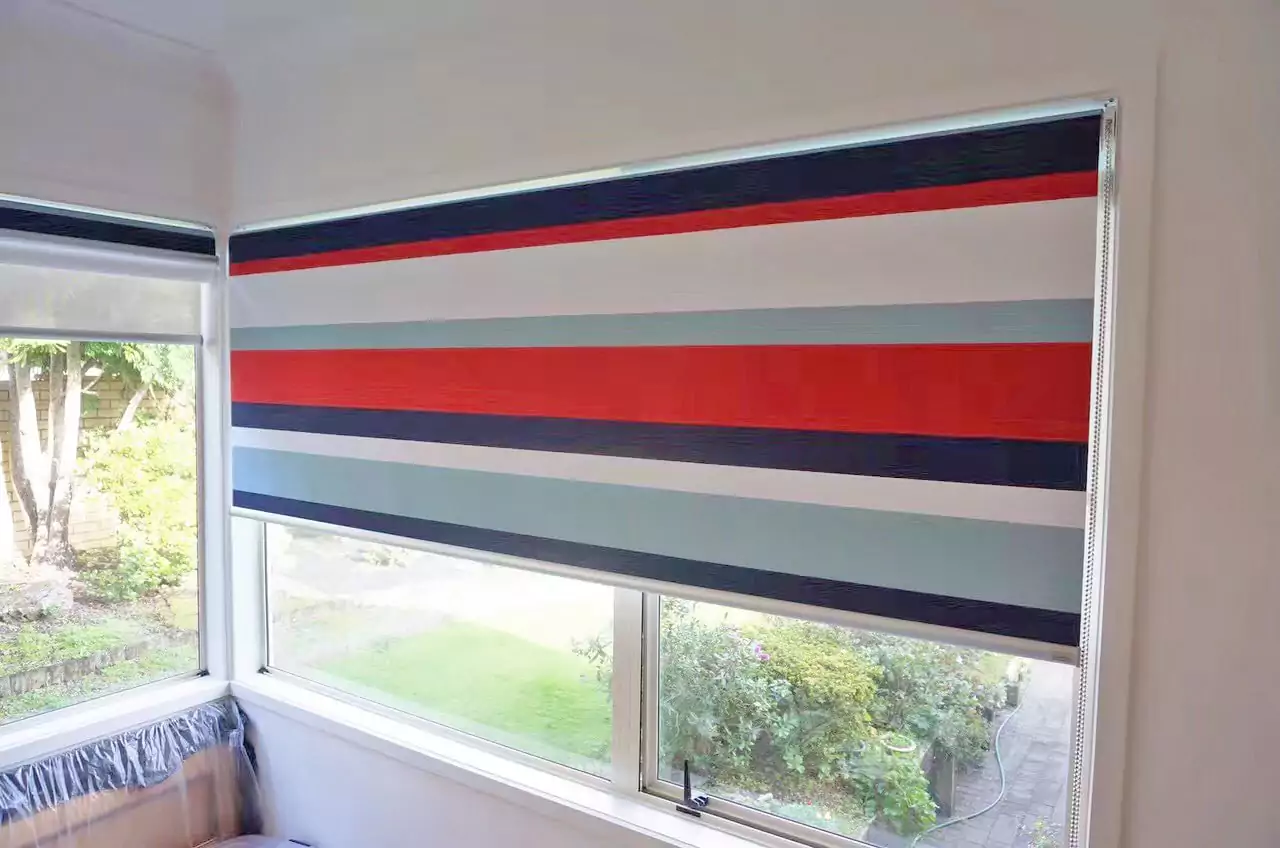
Roller blinds are one of the most popular window covering options because they’re simple, versatile, and work well across different rooms in the home. But not all roller blinds are the same. The type of fabric you choose has a big impact on how much light enters the room, how much privacy you get, and how the space feels overall.
If you’re deciding which option is right for your home, here’s a clear breakdown of the different types of roller blinds and where they work best.
Roller blinds are designed to suit a wide range of spaces because they come in different fabric types rather than completely different structures. This means you can keep a consistent look throughout your home while adjusting the level of light and privacy in each room.
The three main types are:
Each serves a different purpose depending on how you use the space.
Blackout roller blinds are designed to block out as much light as possible. They are ideal for rooms where darkness and privacy are important, such as:
Because they significantly reduce incoming light, they can help improve sleep quality and reduce glare on screens. They also provide a high level of privacy, making them a good choice for street-facing windows or rooms close to neighbours.
Keep in mind that while they block light effectively, small gaps around the edges can still allow some light in unless paired with curtains or fitted closely.
Sunscreen roller blinds are designed to reduce glare while still allowing natural light and visibility. They use a mesh-like fabric that filters sunlight rather than blocking it completely.
These are best suited for:
Sunscreen blinds help:
They’re a good option if you want to keep your space bright without dealing with harsh sunlight.
Light-filtering roller blinds sit between blackout and sunscreen options. They allow natural light to enter the room while softening its intensity and maintaining privacy.
These work well in:
They are especially useful for creating a softer, more diffused lighting effect without making the room feel dark. If you want a balance between brightness and privacy, this is often the most flexible option.
Different rooms have different needs, so it’s common to use a mix of roller blind types throughout the home.
For example:
Using the right type in each space improves both comfort and functionality without changing the overall look of your home.
All types of roller blinds can be operated manually or upgraded to automation. Motorised blinds offer additional convenience, especially for:
Motorisation allows you to:
This makes it easier to control light throughout the day without constant manual adjustment.
While the type of blind determines light control, fabric quality also plays a role in performance. Factors to consider include:
Choosing a higher-quality fabric ensures your blinds not only look good but also perform well over time.
The best choice depends on your home, your windows, and how each room is used. In many Auckland homes, for example, strong sunlight during certain times of the day makes glare control just as important as privacy.
Getting the right combination of blind types can make a noticeable difference to comfort, especially in rooms you use frequently.
Roller blinds are popular for a reason. They offer a simple, effective way to control light and privacy while maintaining a clean, modern look. By choosing the right type for each room, you can create a home that feels comfortable, functional, and consistent throughout.