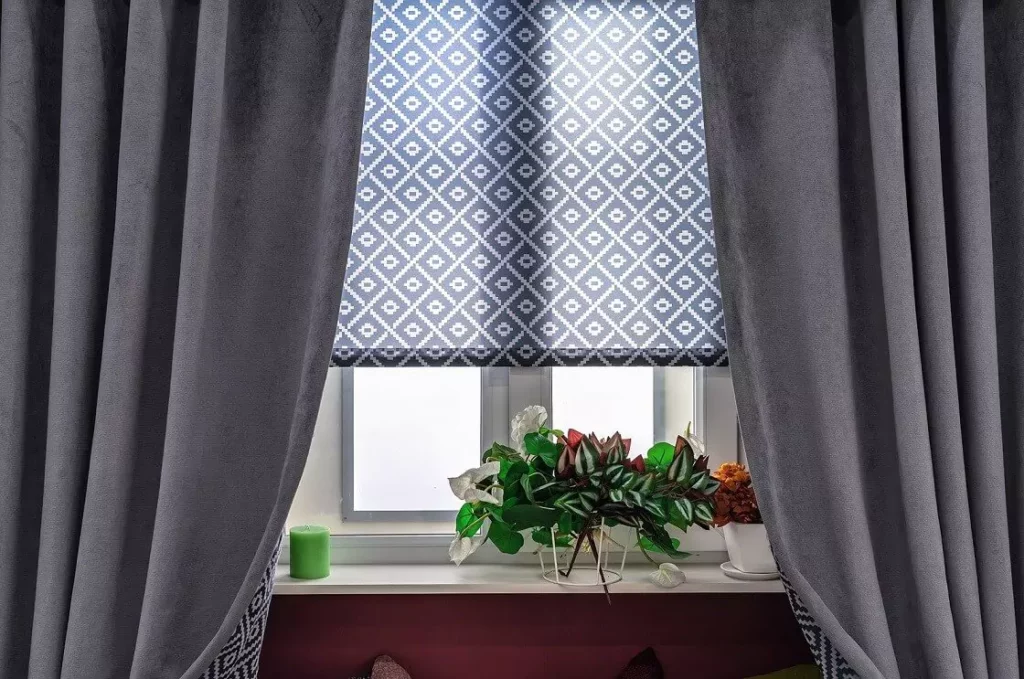
Whether you’re choosing bold coloured roller blinds or patterned roller blinds, choosing the right colour and style for your home is essential. Window blinds are something you will be using and seeing every day, so they not only need to meet the functionality requirements of the room, but also be pleasant to look at.
As experts on window coverings, we know how important it is to match functionality with style. Explore our five tips below to learn how to choose the right colours for your window blind
For the most popular and busy rooms in the home—the kitchen, living room, and dining room—having a light and airy atmosphere is the perfect way to maintain a fresh and lively atmosphere. Living spaces are meant to be lived in, so encouraging a bright and welcoming atmosphere will make it not only easier to enjoy these spaces, but help you to be productive in them as well. Some tips for lightening up your space are to incorporate whites, creams, and pastel shades, as these colours help to help build a refreshing and open atmosphere.
Lighter blinds can also reduce the contrast between the window and the wall, creating a more seamless look. If your space gets a lot of sunlight, lighter fabrics such as sunscreen blinds can help soften glare without darkening the room.
While many prefer the subtle beauty of neutral window blinds, if you prefer a more modern or contemporary style in your home, bold and contrasting curtains can be a sure winner!
By choosing window colours that match your décor you can create a sense of harmony and sophistication in your wider colour palette. In contrast, if you want your bold window blinds to feature as a statement piece in the room, then choosing contrasting colours is an excellent way of doing so.
Something to consider when choosing roller blinds is the purpose of each room. While it is essential to choose window blinds that match the conditions of the room—some rooms need blackout curtains, others need moisture resistant blinds—when it comes to the style and colour of your blinds, you have a lot of freedom. Here’s a tip; you can either choose to match the style of your roller blinds to each room’s aesthetic individually, or create consistency throughout the home by using a similar design for every room.
This is especially important when choosing between light-filtering blinds and blackout fabrics.
One of the perks of window blinds is that with the right design and complementary colour palette, you can make a room feel bigger! This window strategy is particularly useful when decorating small rooms with less floorspace. By using light colours and space-efficient designs (like roller blinds that fit into the window recess), you can add a sense of spaciousness to a room.
If you’re choosing blinds for larger openings or doors, it may also help to explore vertical blinds Auckland, which offer similar flexibility in a wider format.
While bold tones can bring life into a bland room, too many colours can overcrowd a space. For example, a cluttered space will look even more cramped and busy with too many colours. This means that when it comes to choosing the colour of your window blinds, it’s often better to choose sparingly—the less variety, the better. In fact, the colour rule of design is a good one to follow: choose one primary colour, and two additional hues to compliment it. In this way you simplify the overall design of a space, which helps create a more relaxed and peaceful environment.
Before making a final decision, consider how the colour works with your wall and flooring tones, whether the blind will blend in or stand out, how much natural light the room receives, and how often the space is used. Taking a bit of time to compare options can make a noticeable difference to the final result.
Choosing the right blind colour doesn’t have to be complicated. By thinking about light, room function, and overall style, you can find a colour that works well both visually and practically.
If you’re exploring different options, you can browse our roller blinds Auckland and custom blinds Auckland to find colours and finishes that suit your space.