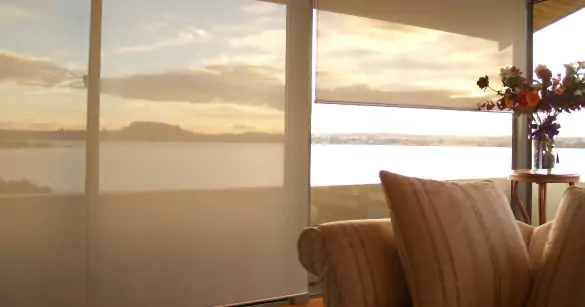
With a hot few months ahead, keeping your home cool becomes just as important as making it look good. In Auckland, strong UV levels and long daylight hours can quickly heat up living spaces and fade furnishings if they’re not properly protected.
Here are a few practical ways to stay sun smart this summer, without closing your home off from the light.
Direct sunlight is one of the main causes of fading in flooring, furniture, and soft furnishings. North- and west-facing rooms in Auckland tend to take the most impact, especially in the afternoon. Simple additions like throws can help, but window coverings make the biggest difference.
Sunscreen roller blinds are a popular option in homes with large windows or open-plan living areas. They filter harsh light, reduce glare on screens, and help protect interiors while still allowing you to keep your view. Choosing the right openness level makes a noticeable difference in both comfort and visibility.
For rooms that get intense sun throughout the day, layering roller blinds with curtains can improve both light control and insulation.
Outdoor furniture is exposed to even harsher conditions over summer, especially with Auckland’s UV levels. Fabric furniture can benefit from protective sprays designed to reduce fading, while timber pieces should be sealed with exterior-grade varnish that includes UV protection. Regular cleaning also helps extend the life of outdoor settings.
Where possible, installing outdoor blinds around decks and patios can reduce direct exposure and make these areas more usable during the middle of the day.
One of the challenges in summer is keeping the heat out while still letting fresh air in. Light-filtering blinds can help with this balance. Lowering blinds during peak sun hours reduces heat build-up, while opening windows in the evening allows cooler air to move through the home.
For bedrooms, blackout blinds are often chosen for sleep quality, but they also help with temperature control. Thermal-backed fabrics can reduce heat entering during the day, which makes a noticeable difference at night—especially in rooms that face the afternoon sun.
Indoor–outdoor flow is a big part of how many Auckland homes are designed, but it can also mean more exposure to heat and glare. Blinds can help define these spaces without closing them off. Keeping them partially lowered during the day helps maintain comfort while still allowing movement between inside and out. They can also help reduce insects coming in during the evening when doors and windows are open.
If you’re updating your space, lighter colours tend to reflect heat better and help rooms feel cooler. Soft whites, natural tones, and muted blues remain popular choices, especially in homes that get a lot of sun. These colours work well with both modern and more relaxed interiors, and they pair easily with different blind fabrics and textures.
If you’re planning a summer renovation, dusky blues and fresh, Scandinavian whites are in this season. The Auckland Home Show investigated colour trends and detected a rise in earthy tones, alongside a move toward adventurous colour combinations and metallic accents. Talk to our team for advice on colour matching, blinds styles, and fabric weights. Find blinds for comfort and style this summer and beyond.
If you’re unsure what will suit your space, it’s worth looking at how light moves through your home during the day. This often has more impact on the final result than the colour itself.
A comfortable summer home doesn’t mean blocking out the sun completely. The goal is to manage light, reduce heat, and protect your interiors while still enjoying the brightness of the season. The right combination of blinds, materials, and placement can make a noticeable difference across the warmer months—and well beyond.
If your home tends to overheat or you’re starting to notice fading on floors and furniture, it might be time to look at more effective window coverings.
Options like roller, blackout, and outdoor blinds can be customized to suit how your home handles sun throughout the day. A quick measure and quote can help you understand what will work best for your space, without committing to anything upfront.
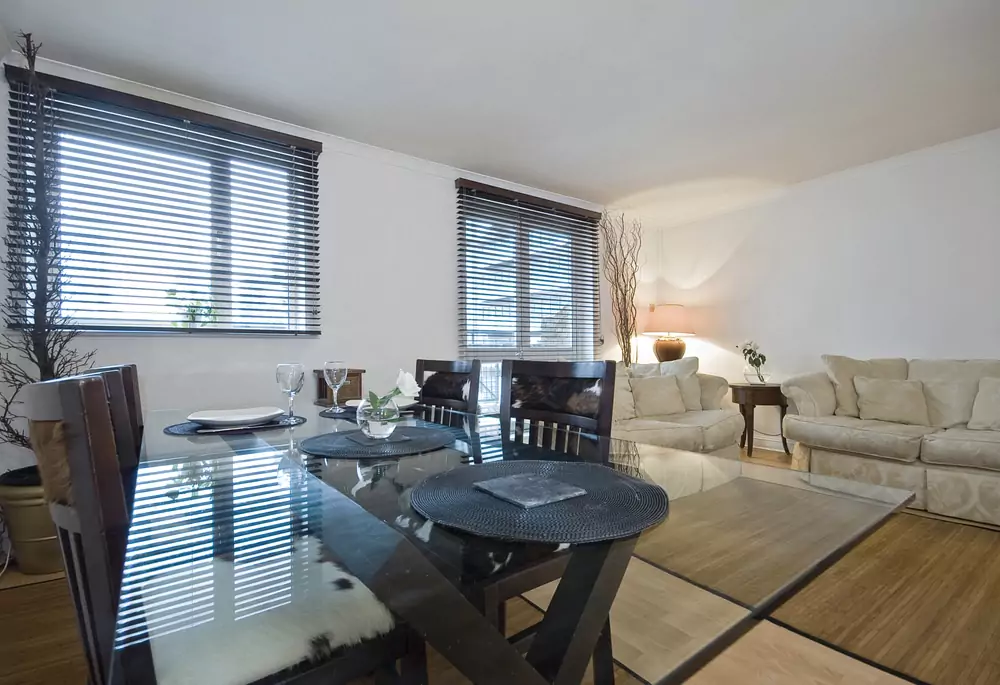
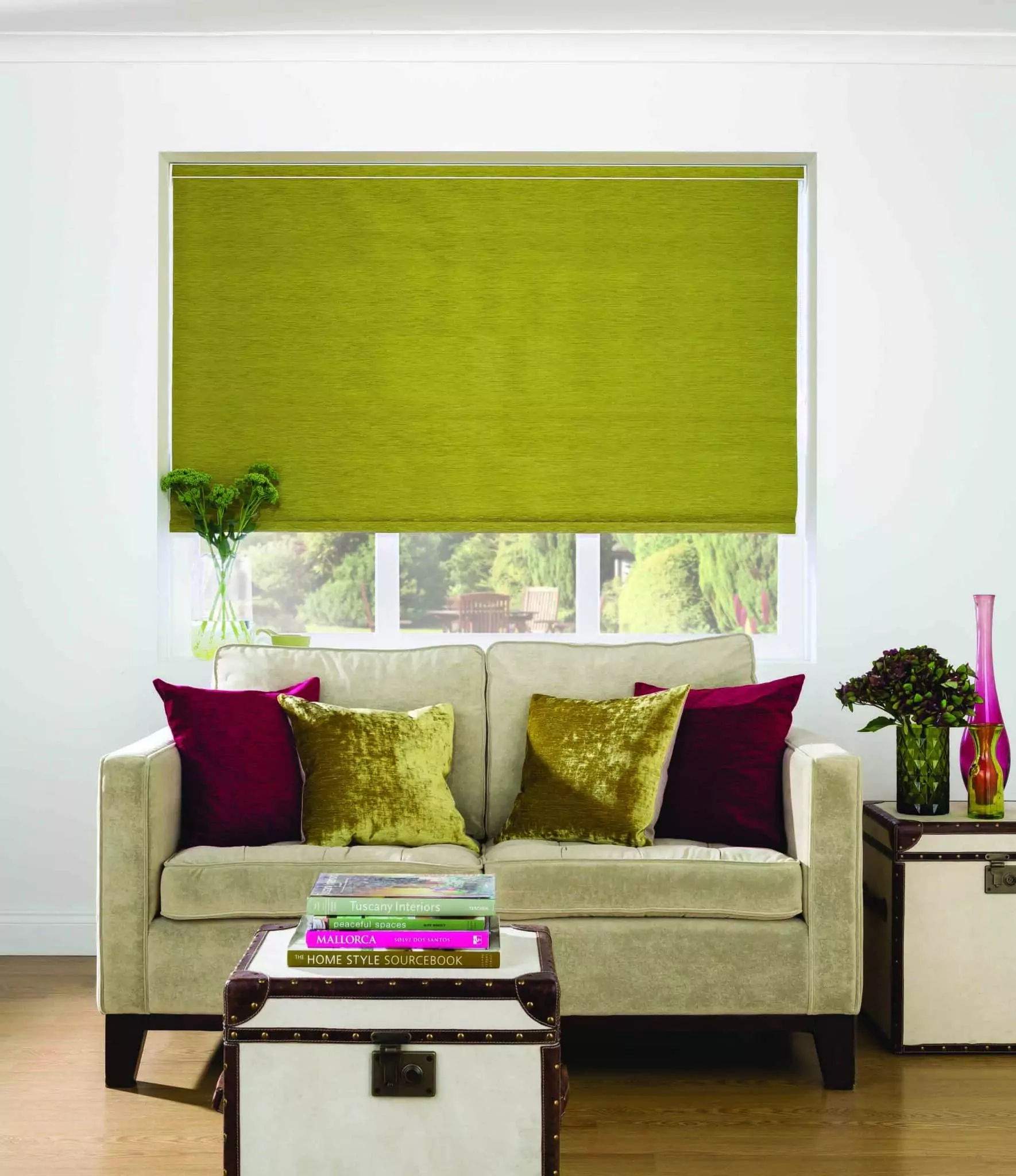
Roller blinds are one of the most popular window covering options in Auckland homes for good reason. They’re practical, versatile, and suit almost any room. In this guide, we answer the most common questions we get from customers, based on real installation experience.
Short answer: No, proper installation requires drilling.
To securely install roller blinds, brackets need to be fixed into the window frame or wall using screws. This ensures the blind can safely support its weight and operate smoothly. From our installers’ experience, temporary or no-drill options are not recommended for long-term use, especially for larger blinds commonly used in Auckland homes.
Short answer: Yes, they help retain heat—but don’t generate it.
Thermal (blockout) roller blinds are designed with thicker materials that reduce heat loss through windows. This makes them especially useful during colder Auckland months. However, they work best when used alongside a heating source such as heat pumps, wood burners, and panel heaters.
Short answer: Yes, with gentle care.
Most roller blinds can be cleaned using a damp cloth and mild soap. It’s best to treat stains as soon as possible to prevent them from setting. Avoid using bleach or harsh chemicals or scrubbing too aggressively. If you’re unsure, refer to our blinds cleaning guide or ask your supplier for fabric-specific advice.
Short answer: Yes, but it requires proper tools and expertise.
Resizing a roller blind involves cutting the tube, fabric, and sometimes adjusting internal components. If done incorrectly, it can affect how the blind rolls and operates. It’s usually more cost-effective to choose custom roller blinds that are made to measure rather than modifying existing ones.
Short answer: Almost every room.
Roller blinds are one of the most versatile options available. In Auckland homes, they are commonly used in:
Dual roller blinds are especially popular because they combine privacy and light control in one system.
Short answer: Using brackets secured with screws.
Roller blinds are mounted using brackets installed either inside the window frame (recess fit), or outside the frame (face fit). The right method depends on your window design and the look you want to achieve. If you’re unsure, we provide installation service to help ensure a precise and secure fit.
Short answer: It depends on your preference and setup.
Typically, the finished or textured side faces inside and the backing faces the window. However, the direction can be adjusted depending on light control needs, window handles or obstructions, and aesthetic preference.
Short answer: Yes, in many cases.
Common issues like broken chains, worn brackets, and faulty mechanisms can often be repaired or replaced. If your blinds were originally supplied by us, we may be able to match components or offer repairs. Otherwise, we can assess and recommend the most cost-effective solution.
Short answer: A wide range of tested fabrics.
Roller blinds are available in different materials, including:
Blockout fabrics (for full light control)
Sunscreen fabrics (for filtered light)
All fabrics should be tested for durability and safety, especially under strong sunlight conditions common in New Zealand homes. If privacy and light control are key concerns, you can also explore our blockout blinds for more options.
Roller blinds are a reliable, low-maintenance option that suits a wide range of spaces. The key is selecting the right combination of fabric type, light control level, and room application.
If you still have questions, our team is happy to help. Whether you’re upgrading a single room or fitting out an entire home, we can guide you toward the most suitable solution.
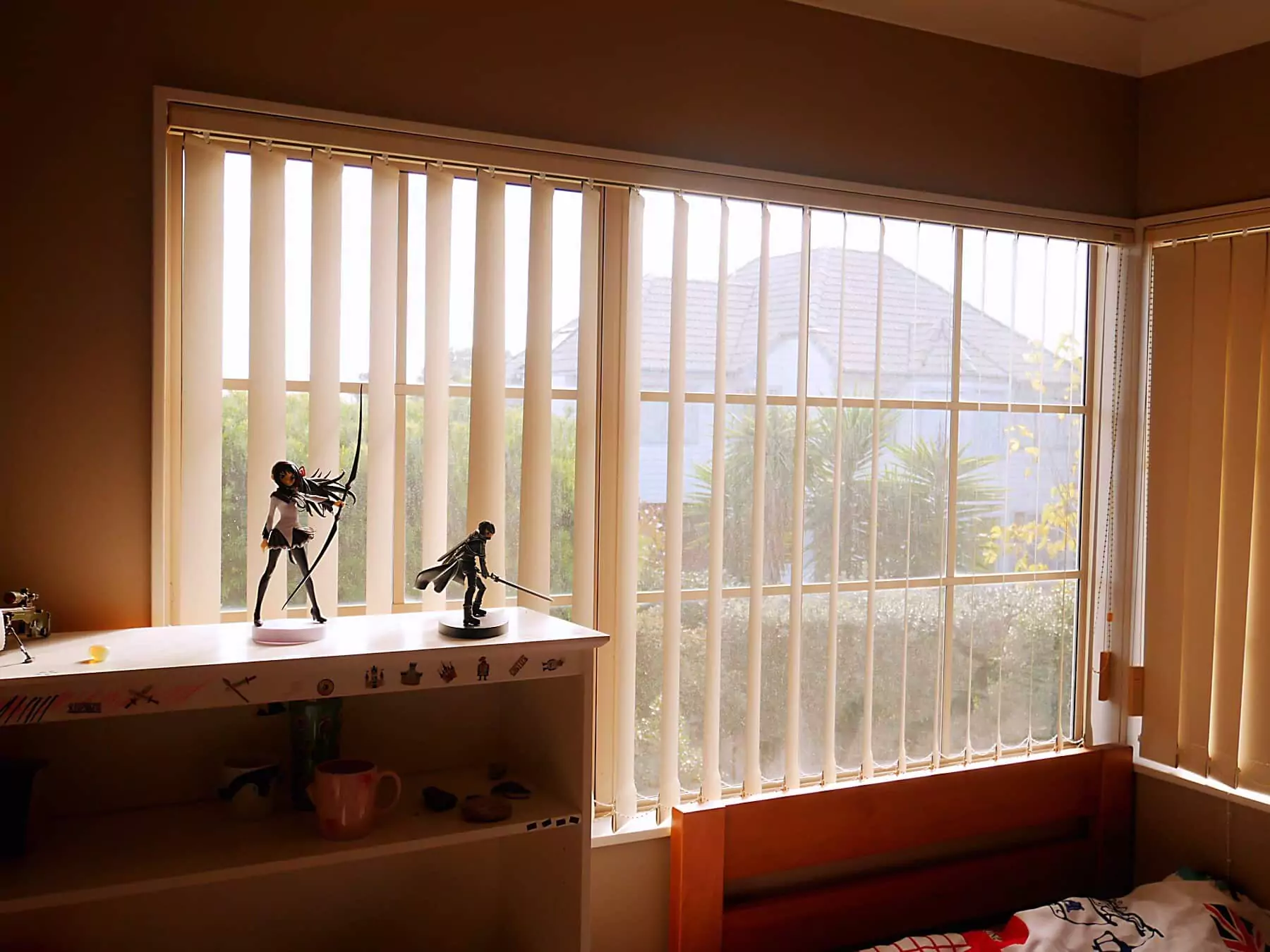
If you’re considering vertical blinds for your home or office, you’re not alone. In many Auckland properties, especially those with large windows and sliding doors, vertical blinds remain a practical and cost-effective option.
In this guide, our team shares answers to the most common questions we hear from customers, based on real installation experience. If you’re comparing options, you can also explore our vertical blinds in Auckland to see available styles and configurations.
Short answer: Yes, but it depends on the fabric.
For most blockout vertical blinds, you can remove the slats and gently wipe them using a cloth with mild soapy water. This works well for regular dust and light stains. However, lighter or semi-transparent fabrics are more delicate. In our experience, soaking these materials can actually spread stains or damage the fabric. For these types, it’s safer to use a professional blind cleaning service.
Tip from our installers:
Regular dusting or vacuuming with a brush attachment can extend the lifespan of your blinds and reduce the need for deep cleaning.
Short answer: No. Vertical blinds are still widely used, especially for practical spaces.
While they were extremely popular in the 1980s and 1990s, vertical blinds are still a go-to solution today for:
In Auckland homes, we often install vertical blinds where functionality and affordability matter more than decorative styling. If you’re after a more modern look, you might also consider our roller blinds which offer a cleaner and more minimal finish.
Short answer: Yes, but the level of privacy depends on the material.
Vertical blinds provide adjustable privacy thanks to their rotating slats. You can angle them to block direct visibility while still allowing natural light in. However, standard fabrics can be slightly translucent at night when interior lights are on.
For better privacy, choose blockout vertical blinds and ensure proper installation with minimal gaps. If privacy is a top priority, you can explore our blockout blinds in Auckland for more complete light control solutions.
Short answer: No—vertical blinds are one of the most cost-effective window covering options.
Compared to other types of blinds, vertical blinds are generally more affordable because:
This makes them a popular choice for investment properties, offices and commercial spaces, or homes with wide openings. If you’re covering large sliding doors, vertical blinds are often the most budget-friendly solution without sacrificing functionality.
Short answer: Generally, no.
Vertical blinds are not ideal for high-moisture areas like bathrooms or laundries. The fabric slats can absorb moisture over time, which may lead to mould or staining. In Auckland’s humid conditions, this can become a maintenance issue.
For better alternatives, you can choose roller blinds with moisture-resistant materials. For wet areas, many homeowners choose roller blinds for bathrooms due to their durability and ease of cleaning.
Short answer: Yes, but there are limitations.
Vertical blinds can be trimmed to adjust the drop (length), but the extent depends on the design and track system. Width adjustments are more complex and often require professional tools.
Each set of blinds is different, so it’s best to assess them case by case. For best results, we recommend getting blinds made to measure rather than heavily altering existing ones. You can learn more about our custom blinds in Auckland for a better long-term fit.
Vertical blinds remain a practical and reliable choice for many Auckland homes, particularly where large windows and sliding doors are involved. The key is selecting the right fabric type (blockout vs light-filtering), colour and finish, and application (living room, office, rental, etc.)
If you’re still comparing options, take a look at our full range of customized blinds in Auckland to find the best fit for your space.
If you still have questions, our team is happy to help. Whether you’re comparing options or planning a new installation, just contact us so we can guide you toward the most suitable solution for your space.