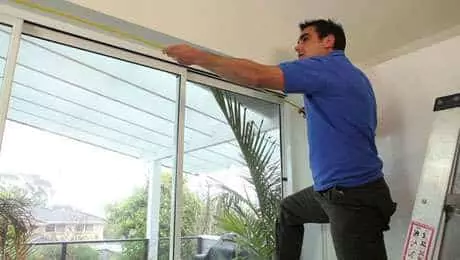
When choosing window blinds for your home, deciding whether to mount them inside or outside the frame can be difficult. At first glance, the difference can seem subtle, but it has a real impact on how your blinds look, how they function, and how much light they block.
If you’re unsure which option is right for your space, here’s a closer look at both styles, along with their advantages and limitations.
As the name suggests, inside mount blinds are installed within the window frame (also known as a recess fit). This style is often chosen for its neat, minimalist appearance and space-saving design, and remains one of the most popular options for modern homes.
When it comes to layering window coverings, inside mount blinds are a practical choice. Because they sit within the frame, curtains or drapes can be installed over the top without interfering with their operation. This allows you to combine blinds with curtains for added insulation, improve light control throughout the day, and add softness to the overall look of the room. Layering is particularly useful in bedrooms and living areas where both function and style matter.
If your window frames are a feature, inside mount blinds help keep them visible. Rather than covering the frame completely, the blinds sit neatly within it, allowing timber or decorative finishes to remain part of the overall design. This works well in homes where the window framing adds character to the space.
Inside mount blinds can be installed close to the window glass, which helps keep the windowsill clear. This is useful if you keep plants or décor on the sill, open and close windows regularly, and want a cleaner, less obstructed look. Because the blinds don’t extend outward, they won’t interfere with these everyday uses.
The compact design of inside mount blinds makes them well suited to smaller rooms. Since they don’t project into the room, they help maintain usable space and avoid making the area feel crowded. This is especially helpful in bedrooms, apartments, or tighter layouts.
Inside mount blinds cannot fully block out light on their own. Because a small gap is required on either side for the mechanism to operate, some light will pass through. This may not be noticeable in living areas, but it can matter in bedrooms where full darkness is preferred. If complete light control is important, you may want to compare options like roller blinds with blackout fabrics or consider an outside mount instead.
Not all windows are suitable for inside mounting. You may run into issues if the window frame is too shallow, there are handles, locks, or mullions in the way, and the frame is uneven. In these cases, outside mount blinds are often the more practical option.
Outside mount blinds are installed outside the window frame, typically on the wall or above the trim. Because they aren’t restricted by the dimensions of the frame, they offer more flexibility in both sizing and placement.
If your window frame doesn’t have enough depth to support an inside mount, outside mounting is a straightforward solution. Since the blinds are installed externally, you don’t need to worry about internal space limitations or obstructions.
Outside mount blinds are more effective at reducing light gaps. By extending beyond the edges of the window, they can cover the entire opening more completely. This makes them a better option for bedrooms, media rooms, and spaces where glare needs to be reduced. For even better results, blackout materials can help improve light control further.
If your window trim is worn, uneven, or outdated, outside mount blinds can help cover it. This can be a simple way to improve the look of a window without needing to repair or replace the frame itself.
Outside mount blinds can be used to change the perceived size of a window. By installing them higher and wider than the frame, you can create the impression of taller ceilings, wider windows, and a more open space. This approach is often used in living rooms and bedrooms to improve the overall proportions of the room.
Outside mount blinds are generally more forgiving when it comes to measurements. Because they don’t need to fit within a tight frame, there is more flexibility in sizing and positioning. This can make the process easier, especially if your windows are slightly uneven.
Because outside mount blinds sit beyond the window frame, they can take up more visual space. In smaller rooms, this may make the area feel slightly more enclosed if not positioned carefully. In these cases, an inside mount may provide a cleaner result.
Choosing between inside and outside mount blinds depends on your space and priorities. Inside mount blinds suit clean, minimal interiors and well-proportioned window frames, while outside mount blinds work better for maximum light control, shallow frames, or creating visual impact. In many homes, a mix of both can work well depending on the room.
If you’re comparing styles, it can also help to explore options like venetian blinds or vertical blinds, as some designs suit certain mounting styles better than others.
Both inside and outside mount blinds have their advantages. The right choice comes down to how you want your blinds to look, how much light control you need, and the structure of your windows.
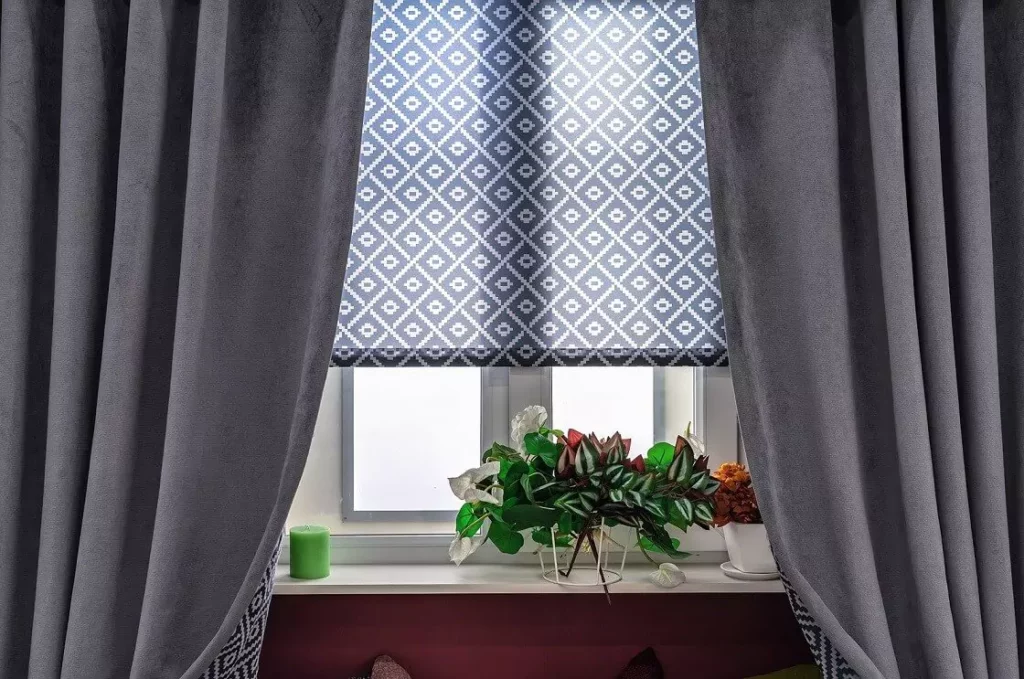
Whether you’re choosing bold coloured roller blinds or patterned roller blinds, choosing the right colour and style for your home is essential. Window blinds are something you will be using and seeing every day, so they not only need to meet the functionality requirements of the room, but also be pleasant to look at.
As experts on window coverings, we know how important it is to match functionality with style. Explore our five tips below to learn how to choose the right colours for your window blind
For the most popular and busy rooms in the home—the kitchen, living room, and dining room—having a light and airy atmosphere is the perfect way to maintain a fresh and lively atmosphere. Living spaces are meant to be lived in, so encouraging a bright and welcoming atmosphere will make it not only easier to enjoy these spaces, but help you to be productive in them as well. Some tips for lightening up your space are to incorporate whites, creams, and pastel shades, as these colours help to help build a refreshing and open atmosphere.
Lighter blinds can also reduce the contrast between the window and the wall, creating a more seamless look. If your space gets a lot of sunlight, lighter fabrics such as sunscreen blinds can help soften glare without darkening the room.
While many prefer the subtle beauty of neutral window blinds, if you prefer a more modern or contemporary style in your home, bold and contrasting curtains can be a sure winner!
By choosing window colours that match your décor you can create a sense of harmony and sophistication in your wider colour palette. In contrast, if you want your bold window blinds to feature as a statement piece in the room, then choosing contrasting colours is an excellent way of doing so.
Something to consider when choosing roller blinds is the purpose of each room. While it is essential to choose window blinds that match the conditions of the room—some rooms need blackout curtains, others need moisture resistant blinds—when it comes to the style and colour of your blinds, you have a lot of freedom. Here’s a tip; you can either choose to match the style of your roller blinds to each room’s aesthetic individually, or create consistency throughout the home by using a similar design for every room.
This is especially important when choosing between light-filtering blinds and blackout fabrics.
One of the perks of window blinds is that with the right design and complementary colour palette, you can make a room feel bigger! This window strategy is particularly useful when decorating small rooms with less floorspace. By using light colours and space-efficient designs (like roller blinds that fit into the window recess), you can add a sense of spaciousness to a room.
If you’re choosing blinds for larger openings or doors, it may also help to explore vertical blinds Auckland, which offer similar flexibility in a wider format.
While bold tones can bring life into a bland room, too many colours can overcrowd a space. For example, a cluttered space will look even more cramped and busy with too many colours. This means that when it comes to choosing the colour of your window blinds, it’s often better to choose sparingly—the less variety, the better. In fact, the colour rule of design is a good one to follow: choose one primary colour, and two additional hues to compliment it. In this way you simplify the overall design of a space, which helps create a more relaxed and peaceful environment.
Before making a final decision, consider how the colour works with your wall and flooring tones, whether the blind will blend in or stand out, how much natural light the room receives, and how often the space is used. Taking a bit of time to compare options can make a noticeable difference to the final result.
Choosing the right blind colour doesn’t have to be complicated. By thinking about light, room function, and overall style, you can find a colour that works well both visually and practically.

Looking for quick and easy ways to clean your vertical blinds, venetian blinds, or roller blinds? While cleaning your blinds can seem like a hassle, regular maintenance is the easiest way to ensure the ongoing quality of your window blinds. Below, we break down and explain some easy, fail-proof methods for cleaning that require only a few simple tools! Read on to find out more. Before you start cleaning your blinds, it’s essential to find out what fabric or material it is from your supplier. Some fabrics or materials may need professional blind cleaning services.
Venetian blinds or vertical blinds are both slatted, and this makes them slightly more difficult to clean. For slatted blinds, the easiest way to clean them is with a feather duster, a vacuum, a microfibre cloth, or an old sock. The tips below can help for both a light and thorough cleaning.
Regular light cleaning is the easiest way to maintain your blinds and prevent the accumulation of dust. For light maintenance, simply use a duster, or better yet, a vacuum to remove the outer layer of dust from your blinds. Start from the top of the blind and work your way down for ultimate efficiency.
If your blinds need a deeper clean, a damp cloth and mild detergent will do the job. Here’s the step:
Pinching each slat between your fingers with the cloth can make this process faster and more effective.
For heavier dirt, a small amount of baking soda can help lift stubborn marks. This method works for aluminium venetian blinds, faux wood blinds, and most vertical blinds.
To get dust out of hard-to-reach corners, an old sock turned inside out will do just the trick! Put the sock on like a glove, use a little window cleaner on the part you wish to clean, and wipe away dirt easily with your sock puppet.
While the first two steps are perfect for wooden Venetian blinds, faux wood blinds, and aluminium blinds, heavy-duty cleaning is only suitable for aluminium Venetians.
When it comes to roller blinds, sunscreen blinds, and thermal blinds, cleaning is fairly straightforward—typically much more so than with roller blinds!
Roller blinds are generally easier to maintain because they have a flat surface, but they still benefit from regular care. If you’re comparing different styles, you can also explore our roller blinds range to see how materials vary.
For regular maintenance, use a duster or dry cloth to remove surface dust or wipe gently with a damp cloth if needed. If the blind becomes slightly damp, leave it fully extended until it dries to prevent moisture being trapped when rolled up.
For a more thorough clean, follow these steps:
For some fabric blinds, soaking may be possible, but this depends on the material. Always check first, as certain fabrics can lose their shape or coating if submerged.
To keep your blinds in good condition, try to avoid using harsh chemicals that can damage fabric or finishes, soaking wooden blinds or exposing them to excess moisture, scrubbing too hard which can cause wear over time, or rolling up blinds before they are fully dry. A gentle approach usually gives the best results.
Even with regular maintenance, blinds don’t last forever. It may be time to replace them if the fabric is worn or discoloured, mechanisms are no longer working smoothly, and cleaning no longer improves their appearance. If you’re considering an upgrade, you can browse our custom window blinds Auckland to find a suitable replacement.
Cleaning your blinds doesn’t need to be complicated. With regular maintenance and the right approach for each material, you can keep them looking clean and working well for years. If you’re ever unsure, it’s always safer to take a gentle approach or check with your supplier before using stronger cleaning methods.

When choosing window covers, you want a something that provides adequate light diffusion and, privacy, and sun protection, and venetian blinds perform well in all of those areas.
Venetian blinds provide a unique look and superior functionality for modern and traditional homes, but beyond the obvious benefits, why else should you consider them? Here’s everything you need to know about venetians, and how they can work for varied design schemes.
Venetian blinds are made up of horizontal slats that can be tilted, raised, or lowered depending on how much light and privacy you want. By adjusting the angle of the slats, you can let natural light in while reducing glare, maintain privacy without fully blocking your view, and control airflow and brightness throughout the day. This level of control makes them a practical choice for both living spaces and work areas.
Venetian blinds are available in several materials, and each one suits different needs.
Aluminium: Aluminium blinds are lightweight and suited to modern interiors. They’re easy to operate and work well in smaller windows or areas where a clean, simple look is preferred.
Faux Wood (PVC): Faux wood blinds offer the appearance of timber but are easier to maintain. They’re a good option for areas exposed to moisture, such as kitchens, bathrooms, and laundries.
Timber: Timber blinds provide a more natural finish and can add warmth to a room. They’re often used in living areas and bedrooms where appearance is a priority. However, they may require more care and are generally less suited to high-moisture environments.
If you’re comparing finishes and styles, you can explore our custom window blinds range to see how different materials look in real spaces.
Venetian blinds can be used in most rooms, but they tend to perform best in certain areas.
For wider openings or sliding doors, you may also want to compare vertical blinds, which are often easier to operate in those spaces.
Venetian blinds are great stand-alone window coverings,but if you want to match curtains and blinds together, choosing the blind material is essential, as it provides a basic design you can work off from when pairing with drapes.
To achieve a more au naturel look, you can combine wooden blinds with curtains that complement the warmer colours of the wood. For a crisp look, use muted drapes with bold-coloured aluminium blinds.
Venetian blinds can enhance most living areas, but unbeknownst to some, they can also work well for kitchens and bathrooms, as bathrooms and kitchens rely heavily on both privacy and light control.
Another reason they work well in bathrooms and kitchens is their resistance to moderate amounts of moisture. It’s unlikely you will encounter problems, as they are made to suit moisture-prone areas such as the kitchen, laundry, and bathroom.
Quality venetian blinds in NZ are made with smooth, non-porous surfaces. This makes their slats easily wipeable.
If you’re looking for a more economic option, ready-made venetian blinds may be the more favourable option. However, if you need to fit blinds to a window, you can. This means cutting the slats down in size, as well as the header rail and bottom bar. At Home Vision Blinds, a made-to-measure option saves you from hiring another person to make adjustments, or cutting your blinds down to size yourself.
Before choosing venetian blinds, it’s worth considering a few practical points:
For some spaces, alternatives like roller blinds may offer a simpler, lower-maintenance solution.
Venetian blinds are a flexible and practical option for many homes. With adjustable slats, multiple material choices, and the ability to suit different rooms, they remain a reliable choice for both modern and traditional interiors.
If you’re exploring options, you can browse our venetian blinds Auckland page to find a style that suits your space.
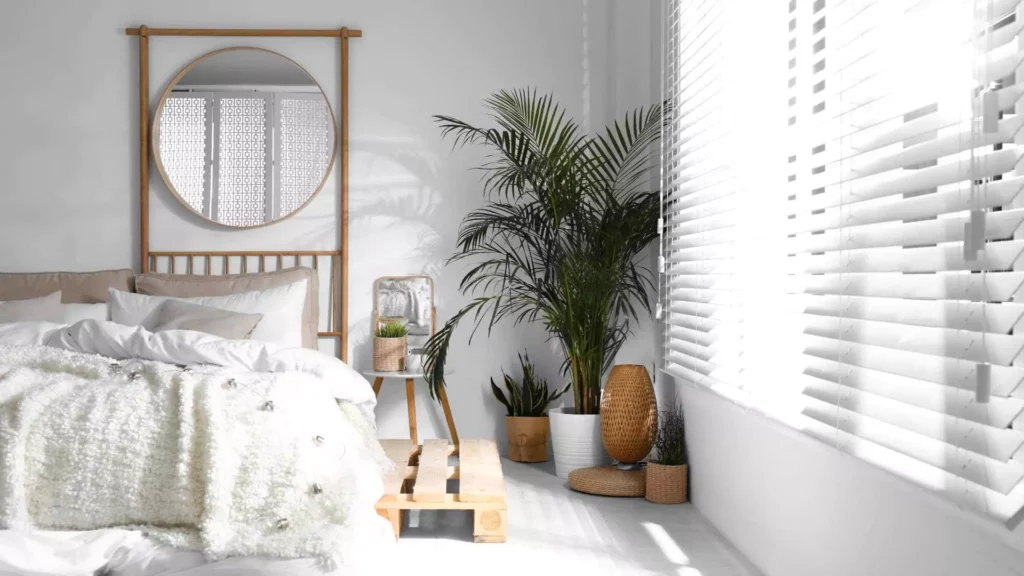
When choosing window coverings for your home, one of the first decisions is whether to go with ready-made or custom blinds. While custom blinds are often seen as the higher-quality option, they do come at a higher price and usually take longer to install.
So, are custom blinds actually worth it?
The answer depends on your space, your budget, and what you expect from your blinds. Below are some key points to help you decide whether custom blinds are the right choice for your home.
Custom-made blinds offer a wide selection of styles and features, meaning you can easily find blinds to suit any interior design. While pre-made blinds do come in a wide variety of designs, you may find it hard to find a style that fits your window measurements exactly. In comparison, custom blinds afford you the freedom to select any fabric and style you desire and have it custom-fitted to your windows with no compromises necessary.
Because custom-made blinds are not limited to the pre-cut measurements of ready-made blind designs, you have the ultimate freedom to customise them to fit any window in your house, no matter the size or shape. There is also no need to worry about the hassle or accuracy of measuring your windows by yourself because many companies also provide measuring services and can easily send someone to measure your windows professionally.
Many custom blinds suppliers Auckland also offer professional measuring services, which can help avoid errors and ensure the blinds are fitted correctly.
Although custom window blinds are more expensive than their pre-made counterparts, they provide the best value for your time and money. If you’re after a quick-fix solution to your problems, then ready-made blinds may be a good choice for you. However, ready-made blinds are often made of lower-quality fabric and are limited to their pre-cut size, which can be inconvenient if your window measurements fall outside the standard sizes. With ready-made blinds, you could lose time if you struggle to make them compatible with your interior.
In comparison, custom blinds give you the advantage of easy customization and alteration. You also won’t be hindered by pre-made styles, mass-production quality, or size limitations. Custom designs are also made from top-quality, durable materials, so you can rest assured that your blinds are made to last.
Not every room in the house has the same requirements, and this is where custom blinds can make a noticeable difference. Different environments call for different materials and features:
With custom blinds, you can choose the right combination for each room rather than trying to make one type work everywhere.
If you’re deciding between styles, it may help to compare options like roller or vertical blinds depending on the size and function of your windows.
Custom blinds aren’t always necessary. Ready-made blinds can be a suitable option if your windows are standard sizes, you need a quick installation, the budget is limited, or the space doesn’t require a perfect fit. They can also work well for secondary areas such as garages, laundry rooms, or short-term setups.
The key is knowing where precision and durability matter most, and where a simpler solution will do the job.
Custom blinds often come with additional features that aren’t always available with ready-made options. This can include motorised operation for easier use, cordless designs for safety, and a wider range of fabric performance options. For example, if convenience is important, you might want to look into motorised blinds, especially for larger windows or hard-to-reach areas.
Custom blinds can be worth the investment if you’re looking for a precise fit, long-term durability, and more control over how your window coverings look and function. That said, ready-made blinds still have their place, particularly for simple or temporary setups. If you’re weighing up your options, it often helps to consider how each room will be used, how important fit and finish are, and how long you expect the blinds to last.
To explore your options further, you can view our custom window blinds, roller, and vertical blinds to find a solution that suits your home.
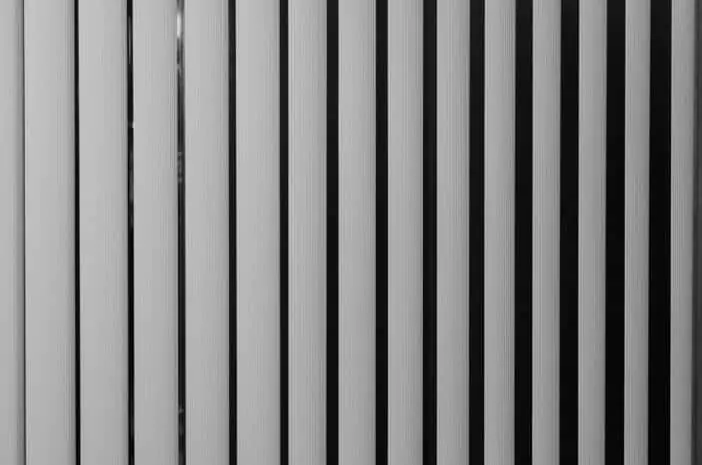
Vertical blinds are great, and not just because of their economical and affordable design. If you’re in the middle of redecorating your home and in need of some inspiration, vertical blinds are a popular window cover to consider! Read on for the top advantages of using custom-made vertical blinds in your home.
First, let’s consider the advantages of using vertical blinds as larger window coverings. While wide window designs are beautiful to look at and make a room feel more spacious, finding the right window covers to use can be a bit trickier than for smaller window designs. Venetian blinds might be too heavy or difficult to operate over a large window, and roller blinds might appear like one solid block of colour against the wall, which can clash with décor.
Vertical blinds, on the other hand, are much more adjustable, no matter what size the window is. Made of strips of fabric called louvre, vertical blinds provide great light adjustability and a soft effect for window shading.
If you’re comparing options for larger windows, you can explore our vertical blinds range to see how different materials and finishes look across wider openings.
Vertical blinds are often used for sliding doors and patio doors because they’re easy to move and don’t get in the way of everyday use. Unlike some other window coverings, you don’t need to lift the entire blind to pass through. The slats can simply be drawn to one side, allowing quick and easy access.
This makes them a practical choice for homes with frequent outdoor access, areas connecting to decks or patios, and spaces where doors are opened and closed often. Because they stack neatly to the side, they also help keep the area looking tidy when fully open.
One of the main advantages of vertical blinds is how easily you can adjust them throughout the day. By tilting the slats, you can control how much light enters the room without fully opening or closing the blinds. This is especially useful in rooms that receive strong sunlight at certain times of the day.
You can reduce glare while still letting light in, maintain privacy without blocking your view completely, and adjust the angle depending on the time of day. This level of control works well in living areas, offices, and rooms facing the street.
For comparison, you may also want to look at our roller blinds collection if you’re deciding between different light-filtering options.
Vertical lines are well-loved in interior design for their ability to create the impression of height and spaciousness in a home. While painting lines or using a striped wallpaper can do the trick, vertical blinds are a cost and time-effective way of adding an interior pattern. The extensive range of fabrics available allows you to easily customise your blinds to fit in with your home style, décor, and furnishings.
Vertical roller blinds are easy to maintain and keep clean for years of crisp, quality operation. To clean your blinds, they don’t need to be removed from the wall, simply wipe them down with a cloth that’s been dipped in mildly soapy water. You’ll be able to get rid of dust and dirty spots this way.
Here at Home Vision Blinds, our fabrics are treated during the manufacturing process to make them mould resistant and fire retardant, for maximum efficiency. Also, if there are any problems, or if your blinds get damaged, we can easily come and replace individual blades, with no hassle at all.
While vertical blinds suit many situations, there are a few things to consider before making a decision.
If you’re comparing different options, browsing our full custom window blinds range can help you decide what suits your space best.
Vertical blinds are a reliable and practical option, especially for larger windows and doors. They offer flexible light control, easy operation, and low maintenance, making them suitable for a wide range of homes.
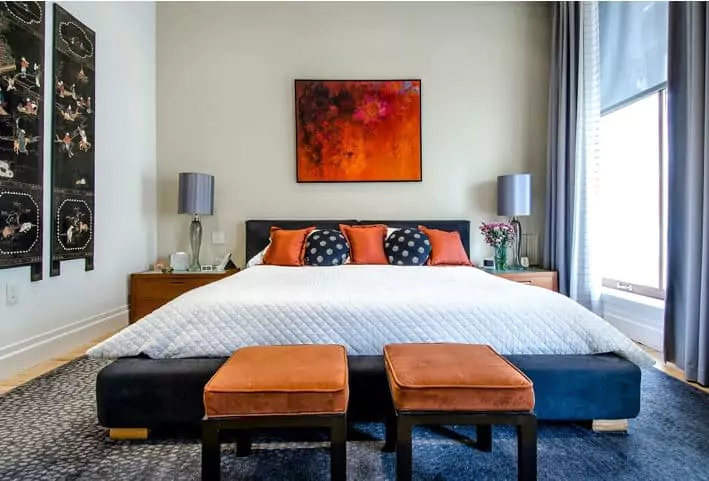
If you’ve been wondering “are roller blinds the right choice for my home space?”, you’re in luck! Versatility is one of the best qualities of roller blinds, and they can easily be used in any home without a hassle. If you’re looking for inspiration, we’ve listed a few of the unique and versatile ways you can incorporate blind designs below!
When shopping for blinds, an excellent way to enjoy the benefits of both sunscreen and blackout blinds is to buy a set! Unlike regular single mount blinds, dual roller blinds let you mount two separate blinds on the same window frame, allowing for maximum light filtering control.
Combine a sunscreen blind with a blackout roller blind made of complete blackout fabric for maximum effect. The light filtering layer will allow you the privacy you desire during the daytime, while not blocking out all the natural light. In contrast, at night time, you can rely on the blackout layer to give you the privacy and darkness you need to rest peacefully through the night.
If you’re comparing options, you can browse our dual roller blinds collection to see how different fabrics affect light and visibility.
Imagine returning home after a long day’s work and having everything ready and waiting right as you open the door. If that sounds appealing to you, motorised roller blinds might be just the investment to consider. Adjustable with remote control, motorised blinds can be synchronised with smart devices to completely remove the hassle from your everyday routine. They are the perfect choice for families with young children, because they don’t require a chain and cord mechanism system to operate them. The remote can be safely stored with ease out of reach of curious toddlers. Motorised blinds can also be an excellent solution for homes with windows that are difficult to reach.
If you want to see how automation can fit into your home, take a look at our motorised blinds range.
Using roller blinds together with curtains is a simple way to get more flexibility out of your window coverings. A common approach is to install a sunscreen roller blind for daytime use, then add curtains for evening privacy and light blocking. This gives you more control without needing to rely on a single type of blind.
This combination works well in bedrooms where full darkness is needed at night, living areas where you want soft natural light during the day, and homes where additional insulation is helpful in cooler months. Curtains can also help reduce outside noise slightly and improve overall comfort in the room.
One of the advantages of roller blinds is that they can be adapted to suit different parts of the home.
Living Rooms: Sunscreen or light-filtering blinds are usually the best choice. They reduce glare on screens while keeping the space bright and open.
Bedrooms: Blackout roller blinds are more suitable here, especially if you’re sensitive to early morning light or street lighting at night.
Kitchens and Bathrooms: Moisture-resistant fabrics are important in these areas. Standard fabrics can wear out more quickly if exposed to humidity over time.
Home Offices: Glare control is key, especially if you spend long hours on a computer. Sunscreen blinds can help reduce eye strain without making the room feel closed in.
If your home feels a little lacklustre and in need of some sprucing up, patterned blinds might be just the thing you need! The beautiful, bold patterns and soft hues of the patterned fabric can act as hidden pieces of art throughout your house. You can surprise and please your guests with blinds that complement the surrounding décor, or just enjoy the change in atmosphere yourself, as you settle down for a relaxing evening.
Before ordering your blinds, there are a few practical things to consider.
Accurate Measurements: Make sure your window measurements are precise. Decide whether you want a recess fit or a face fit, as this will affect both the look and performance of the blinds.
Function First: Think about what you need most from the blinds. Is it privacy, light control, or ease of use? This will help narrow down your options.
Material Suitability: Different environments require different materials. Moisture-prone areas, for example, need fabrics that won’t degrade over time.
If you’re still comparing options, exploring our full custom window blinds range can help you find a suitable match for your space.
Roller blinds are a practical option for most homes because they can be adapted to suit different rooms and needs. Whether you’re aiming for better light control, more privacy, or a cleaner overall look, the right setup can make a noticeable difference.
If you’re ready to explore your options, you can view our roller, dual roller, and motorised blinds to find a combination that works for your home.

Sunlight is vital for our health, and natural light can help make interior spaces seem brighter and airier. However, too much sunlight can fade and damage furniture, and glare from the sun can be seriously frustrating. Not only that, but too much sun also translates into too much heat, and this can force you to spend more on cooling your home than you’d like. The trick is controlling the amount of sunlight in your home.
That’s where blinds come in! From venetian blinds to roller blinds, there is a range of options for managing sunlight in your home, and saving yourself long term on electricity bills from your air conditioning. Managing the sunlight in your home with blinds also helps you warm your home during the winter, by keeping in the heat at night.
Read on to learn our top three ways to manage the ambient heat and light in your home with quality blinds.
A classic option, venetian blinds look great and give you a lot of control over how much light gets in. You can even use the blade angle to let light in while maintaining privacy if you want.
There are many venetian blind designs, so you never have to worry about whether you’ll find a set that matches your interior and/or exterior aesthetic. While choosing colours, however, keep in mind that lighter tones help reflect light. This explains why many blinds are white, grey, or beige.
Learn more about venetian blinds on our venetian blinds page.
For spaces that see a lot of sun, you might want to try sunscreen blinds. This blind design excels in sun-drenched areas like lounges or sunrooms. The great thing about sunscreen blinds is that they come in different fabric transparencies. For example, here at Home Vision Blinds, we carry two weights of sunscreen blinds. The ‘sun filter’ weight still lets some light through, but it has a rice-paper effect, in which you can only see silhouettes. The standard sunscreen blind weight lets through slightly more light and is lightly woven, eliminating glare and limiting the amount of sunlight and heat entering your home without cutting it off completely.
Our team can help you decide which sunscreen blind style and fabric are best for your room’s sun exposure, desired privacy, and interior style. Learn more about our sunscreen roller blinds.
Blackout Blinds are the typical option for those looking to block out as much light as possible. They’re most common in places that need to be dark, like bedrooms. They’re easy to install and can be changed without much difficulty. The thicker fabric of these blinds is highly effective for avoiding over-heating and makes glare a complete non-issue.
At Home Vision Blinds, we guide clients through fabric options, installation, and how to optimise light and heat control for maximum comfort. Find out more about our blackout blinds here.
Roller blinds that feature a motor for lifting and lowering are becoming increasingly popular for several reasons. First, they feel very high-tech, but don’t cost all that much more. Second, they can be programmed or set on a timer, which means you can set up precise times throughout the day for your blinds to open or close automatically.
Motorised roller blinds in NZ are also becoming more popular because they can make opening and closing your blinds much easier, even if the blinds are in physically hard-to-reach places, such as up near the ceiling, where it would be too dangerous or time-consuming to operate them by hand.
At Home Vision Blinds, we help homeowners select the best roller blinds for their specific needs and rooms, including motorised options where it makes sense.
Choosing blinds isn’t just about style—it’s about function, comfort, and long-term benefits. Here’s a quick guide:
Many homes benefit from a combination of blind types to balance light, privacy, and energy efficiency across different rooms.
Managing sunlight effectively can make a huge difference in your home, from comfort and privacy to energy bills and furniture protection.
Here at Home Vision Blinds, we’ve helped tens of thousands of New Zealand homeowners find the perfect blinds for their spaces. We provide free in-home measure and quote consultations, so you get blinds that suit your sunlight, room layout, and lifestyle perfectly. Whether you’re dealing with glare, overheating, or fading interiors, we can help you find the most practical, long-lasting solution. Don’t wait—contact us today to get started.

Venetian blinds are beloved in New Zealand homes today for their versatile style and effective control of natural light and heat, but have you ever wondered where these blinds came from? Are they, like their name suggests, originally from Venice? If not, where did Venetian blinds really originate and how did they come by their name? Continue reading to find out!
The simple answer to this question is no. Venetian blinds are not from Venice. In fact, they very likely did not originate in any part of Italy. The spread of ‘Venetian’ blinds began in the 18th century, with the growing trade and migration between Italy and the rest of the world. After blinds were introduced to Italy by merchants, Italy then proceeded to introduce blinds to the rest of the world.
The blinds were first introduced to France, followed soon after by an introduction in England and America. However, the 18th century does not mark the invention of this slatted blind design. Venetian blinds were in fact only ‘rebranded’ by the people of Venice, not created by them.
Numerous theories surround the true origin of Venetian blinds. Some trace them back to southwestern Asia, believing their origin in Italy came about from trade with Persian merchants. However, other theories date Venetian blinds all the way back to Ancient Egypt, where they first wove reeds into slats to provide respite from the sun.
The introduction of Venetian blinds to the rest of the world was met with keen interest. The innovation of slatted blinds introduced more light control to homes in the western world and quickly became a desirable feature every well-off family and office manager wanted. They weren’t limited to the wealthy, however. The affordability of Venetian blinds made them great options for all levels of society. After this initial re-introduction of slatted blinds to the world, new blind designs started cropping up and being sold, too.
Contrasting the slim, wooden, faux wood, or metal Venetian blinds sought after today, the early designs introduced to the west in the 18th century featured large, flat slats.
During the early years of their introduction to America, Venetian blinds with natural finishes were the most popular style for homes. However, as the century moved on, blinds of white or stone colouring came to be considered more elegant and desirable.
Not until the early 20th century in 1930’s New York, did aluminium Venetian blinds come into production and upon introduction to the market, they boomed in popularity. These slats slowly became thinner over time as they continued to be developed and redesigned into blinds combining thinner designed slats in a higher number.
During the 1960’s, plastic slats became the trend in offices and homes. By the 21st century, more traditional wooden Venetian blinds have come back into fashion with some even incorporating larger slat designs.
With the many benefits provided by Venetian blinds in your home, it’s no surprise they’ve lasted this long and continue to thrive today as great window cover options.
The popularity of Venetian blinds has endured for centuries, for a few simple reasons:
If you’re looking for a window covering that offers both control and versatility, Venetian blinds are still one of the most reliable options available. Modern venetian blinds can be customised to suit your space, with a range of materials, colours, and finishes to match your interior. A quick measure and quote can help you explore what works best for your windows and how different options will look in your home.
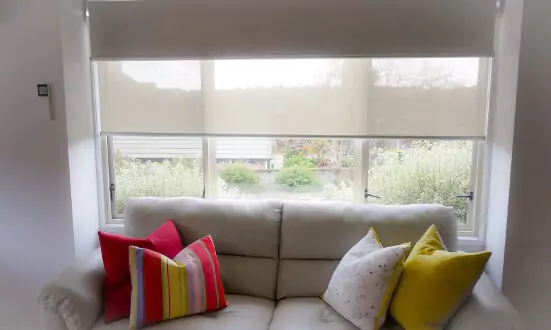
Custom-made blinds are the cherry on top of a well-designed home. They’re an opportunity to make your home look crisp and clean, while also adding to your environment in the practical sense. Ultimately, they’re the perfect blend of form and function.
We’ve been in the business of creating custom blinds our customers love for over thirty years. Therefore, we’ve seen the way they can elevate a home. Read on to discover five ways custom blinds can change your home for the better.
Windows are made from glass, a well-known conductor of heat. Leaving your windows uncovered allows heat to flow freely from within your home to the outdoors and vice versa, creating gaps in an otherwise well-insulated home. Therefore, your home will find itself cold in the winter and warm in the summer.
Custom roller blinds can help reduce this heat transfer by adding an extra layer across the window. While they don’t replace double glazing, they do help improve temperature control in a more cost-effective way. Choosing the right fabric—such as sunscreen or thermal-backed options—can make a clear difference in how a room feels during both summer and winter.
Speaking of transfer in an out of the home, another unwelcome intruder is noise! If you live in a busy or noisy area, then you know how frustrating it can be to battle with extraneous sounds from day-to-day.
Installing custom blinds in your home will help to reduce this troublesome noise pollution effectively! Most blind materials, including fabric, wood, etc., interrupt sound waves, reducing their strength and making noise quieter as it passes through the blinds. This is a cost-effective choice that adds a lovely design element to your windows rather than addressing the issue structurally, thereby costing you time, money, and energy.
In homes near busy roads or shared spaces, thicker materials like timber venetian blinds or fabric-based blinds can help take the edge off outside sound, particularly in bedrooms and living areas. It’s a simple upgrade that improves comfort without needing structural changes.
Privacy matters, especially in homes that are close to the street or neighbouring properties. Custom blinds give you more control over how much you see out—and how much others can see in. Options like roller blinds, vertical blinds, and venetian blinds can be adjusted throughout the day to suit your needs, whether that’s full coverage or filtered light.
We have a variety of blinds dedicated to creating privacy and solitude in any kind of home. If you live in an apartment and find yourself locking eyes with a neighbour in the building across the street, or if you want to turn your bedroom into a more private sanctuary, then blinds are the choice for you.
All too often, homeowners and designers alike treat windows like a bland space that can be ignored. Blinds are chosen based solely on price and then they move on, but they’re missing an opportunity to be creative with an interesting space! The right blinds can tie a space together by matching colours, textures, and finishes with the rest of the home. For example, timber venetian blinds can add warmth to living areas, while sunscreen blinds suit modern spaces that rely on natural light.
In many Auckland homes, we see clients bring in samples to match flooring, cabinetry, or wall colours. Taking the time to get this right helps create a more cohesive look across the whole space.
Sleep quality is often affected by light more than people expect. Early sunrise and longer daylight hours in summer can make it harder to rest, especially in bedrooms that face east or north. That’s where blackout blinds come in. Designed to block out light more effectively than standard fabrics, they create a darker environment that supports better sleep.
Our blinds come in blackout-level fabric density, and they don’t have to be black to work. The thickness of the fabric will restrict any light from penetrating through the blinds and you can sleep on in peace.
All these benefits come at a cost-effective price point with minimal hassle and a fantastic payoff. Even the smallest detail can make a huge difference when it comes to the design of your home, and when you install the perfect blinds you will find that they make a world of difference.
Custom blinds are one of those additions that continue to pay off over time. They improve comfort, protect interiors, and give you more control over your space without requiring major renovation work. Because they’re made to fit your windows and your home’s layout, the result tends to feel more considered than off-the-shelf options.
If you’re noticing heat build-up, fading furnishings, or a lack of privacy, it may be worth exploring custom options. Solutions like roller, venetian, and blackout blinds can be tailored to suit how your home handles light, heat, and visibility throughout the day. A quick measure and quote can give you a clear idea of what will work in your space, with no obligation to go ahead.