| Renovations are a great way to add value to your home, but not all upgrades will deliver a worthwhile return on investment. A new kitchen or bathroom installation is a financial consideration to be aware of. These can become very expensive but you have cheaper options at your disposal to add value to your home. |
Blinds are a great way to add value without breaking the bank. They make a house appear more spacious, stylish, and comfortable, all for a fraction of the cost of a disruptive remodelling project. Here at Home Vision Blinds, we have a few tips on choosing the right blinds from our range of blinds in Auckland. We can also assist with some other ideas when renovating to add value. Learn more below!
Kitchen improvements, such as replacing the flooring, benchtops, or cabinet doors can make any kitchen look almost like new. However, if you are thinking of a complete kitchen refit, keep in mind the value of your house and what return you are likely to see on your investment.
Importantly, whichever you decide will depend on the style and value of the house. A modest house does not suit a luxury kitchen, but new fittings and appliances can change the look of a kitchen without needing an entire kitchen renovation.
A new en-suite or bathroom can increase the value of your property by 5%, but if you are giving an existing bathroom a makeover, consider adding underfloor heating or a rain shower for a splash of luxury. Adding an en-suite can be a game-changer, but doing so can be costly. Think about working within an existing bathroom footprint, where modernising can be achieved with a new vanity, mirror, or a coat of paint. New tiling will also go a long way to adding value in the right place.
If the house is older, keep in mind that plumbing might be an issue in deciding how far you want to go on a bathroom renovation, especially if you intend to sell.
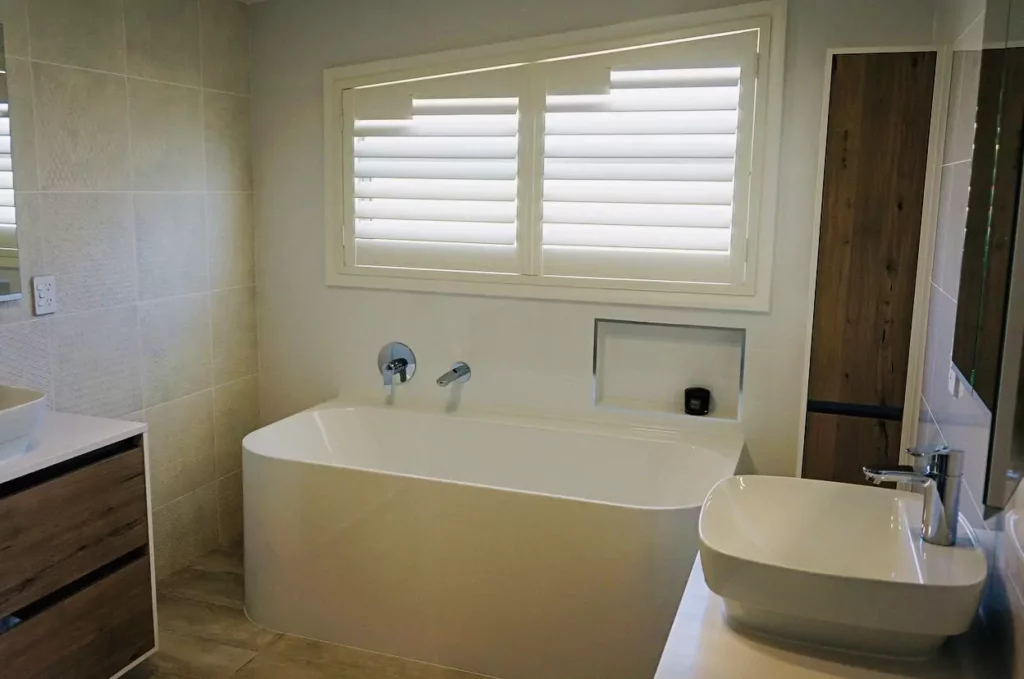
Windows are often treated as a feature rather than a potential centrepiece, but they can be a great chance to add value without too much expense. Blinds and curtains can drastically change the look and energy efficiency of your house, and our custom-made Venetian, roller, vertical, sunscreen, and shutter blinds can be the cherry on the top of a well-designed home.
We have been in the business of creating custom blinds for over thirty years, and have seen the way they elevate a home, adding value to change your home for the better.
One of the most overlooked ways to add value is updating your window coverings. Well-chosen blinds can change how a home feels almost instantly. They improve light control, privacy, and overall presentation, all without the disruption or cost of larger renovations.
Options like roller blinds offer a clean, modern look that suits most interiors, while vertical blinds work well for larger windows and sliding doors.
If you want to maintain brightness while reducing glare, sunscreen roller blinds allow natural light to filter through without making the space uncomfortable.
For more control over light and privacy, Venetian blinds provide flexibility and a more structured look.
Because they’re relatively affordable compared to major renovations, blinds are one of the easiest ways to modernise a home and improve its overall appeal.
Homes that feel bright and open tend to attract more interest and hold their value better. Simple ways to improve natural light include:
Updating your blinds can also make a difference here. Being able to fully open or adjust your window coverings allows you to make the most of daylight throughout the day.
Perception plays a big role in property value. A home that feels spacious will often be valued higher than one that feels cramped, even if the floor area is the same. You can improve this by:
Minimal designs, like roller blinds, help maintain clean lines and keep spaces feeling open.
Not every renovation needs to involve builders and permits. Some of the most cost-effective upgrades include:
These changes are relatively quick to complete and can significantly improve how a home looks and feels. For homeowners preparing to sell, these types of updates often deliver a better return than large, expensive renovations.
The value of any renovation depends on the local property market. In areas like Auckland, buyers often expect a balance between style and practicality. Homes that feel modern, well-lit, and easy to maintain tend to perform better than those with overly customised or high-maintenance features.
Understanding what buyers in your area value helps you avoid unnecessary upgrades.
When it comes to adding value, details matter. Small finishing touches can influence how buyers or guests perceive your home:
Blinds play a role here because they’re visible in almost every room. Updating them creates a sense of cohesion throughout the home.
Different rooms have different needs, so it’s worth thinking about how each space is used.
Choosing the right combination ensures your home looks consistent while still functioning well day to day.
Renovating doesn’t always mean spending more. In many cases, the best results come from making smart, targeted improvements that enhance how your home looks and functions. Updating your window coverings is one of the simplest ways to achieve this. It improves comfort, modernises your space, and helps create a more cohesive look throughout the home.

What’s hot and what’s not in the world of blinds? Blinds are the most popular type of window treatment in the world today. Thanks to their high functionality and style, they offer countless style options for your space. Contemporary design is a modern style that generally incorporates neutral colours, clean lines, and natural materials, and is popular for its simplicity and classic elegance.
Contemporary design is constantly changing. Wood blinds are an excellent choice thanks to their natural finish and materials, which work well in a contemporary home. There is also a huge resurgence in the popularity of vertical blinds in NZ.
Check out some window blinds ideas to put the finishing touch on your stylish contemporary space.
This year might as well be renamed The Year of the Home Office. Specifically, so many of our customers who invested in blinds over the past year came to us looking for the best blinds for a home office. As home offices became a thing, vertical blinds came full circle, again appreciated for their effectiveness in a workplace setting, particularly in your home office. Screen glare, dimout, or light filtering blinds are great solutions for a home office.
Not every blinds purchaser in 2021 bought for a home office, but the type of blinds that have proven popular this year does reflect—and is greatly influenced by—last year’s sudden growth in working from home.
Vertical blinds have undergone something of a resurgence this year and are well worth a second look. They now come with a refashioned contemporary headrail style, a choice of finishes and colours, and the versatility to suit tall, wide and other difficult windows.
Vertical blinds are cost-effective to maintain (you can replace individual verticals if they are damaged in any way) and provide great light and heat control. Customer feedback over 20 years has empowered us to make constant improvements to our vertical blinds’ components and design.
Roller blinds have been the most popular blinds in 2021, as they have been for every year we’ve been selling blinds online. This is due in part to the fact that they have customisation options that can tackle most blinds challenges. They come in a wide range of patterns and styles, and like for like, are the lowest cost blinds as a rule as well.
Roller blinds tick all the boxes. They’re easy to use, cost-effective, and stylish. They’re also available in three types of fabric choices, depending on whether you intend to simply filter light or block it out entirely. All of our roller blinds have the option of child-safety chain stabilisers.
The enduring popularity of the stylish Venetian blind owes to their effectiveness in managing heat and light. They are the tried-and-true way to control the natural light in any room and, as our most versatile solution, they offer an affordable yet trendy way to reduce glare in your home or office.
The beautiful thing about Venetian blinds is that they can adapt to the changing environment around them. They are still relevant today because they have adapted well to the modern perspectives of contemporary style.
At Home Vision Blinds, innovation is in our blood. We’re constantly improving and extending our product range. We keep the range up to date by attending international exhibitions, which means you always have access to the latest trends. Our friendly, experienced team is happy to advise you on your window solution options, so talk to your passionate and experienced consultants today!

Spring leads to spring cleaning and spring-cleaning often leads to many more comprehensive ways to freshen up your home. This is especially true as the days lengthen, and the excitement of warmer weather inspires our creative endeavours. After months of cold and dreary weather, many of us feel the urge to spruce up our homes and embrace the energy that comes with the new season.
At Home Vision Blinds, we have lots of practical and creative ideas, ranging from bringing the outdoors in, dressing up your walls and rearranging the furniture, to refreshing your window treatments with, for instance, some new vertical blinds. Without further ado, let’s look at the ways you can revamp your home.
The quickest and easiest way to create a sense of the outdoors/indoors is with plants! Whether real or faux, the addition of greenery to your indoor space will instantly add a sense of calm and make a great choice for those who may not have the luxury of outdoor space. Indoor gardens go beyond just a collection of houseplants; well-planned indoor greenery and can add a wow factor to any space. Think about combining foliage of different sizes and shapes, as well as plants of different heights and growing habits.
There are plenty of creative ways you can update your room with colour. Create accent walls by choosing a bold colour that adds glamour or, if you want a more subdued effect, choose understated, neutral hues to match your interior design style.
Spring suggests bright white, pastels, and calming neutrals, so, after you’ve packed away the dark, warm colours of winter, try incorporating a few lighter colours into the mix. Consider swapping out a wall of colourful family photos for a serene arrangement of black and whites or vibrant greens and blues.
Before buying anything new, it’s worth looking at how your current layout affects natural light. Simple adjustments can make a difference:
Homes that feel dark are often just poorly arranged rather than lacking natural light. Opening up space around windows is one of the quickest wins.
Window coverings have a bigger impact than most people expect, especially when transitioning from winter to spring.
Heavier, darker materials that worked well in colder months can make rooms feel enclosed once the weather warms up. Swapping to lighter options helps your home feel more open and better connected to the outside.
Options like vertical blinds work well for larger windows or sliding doors, giving you flexible control over both light and privacy. For a cleaner, more minimal look, roller blinds can be raised completely to let in maximum daylight or lowered when needed.
If your goal is to keep the brightness while reducing glare, sunscreen roller blinds allow light to filter through without making the room too harsh.
Spring is the best time to make the most of natural light. Start with the basics:
Even small changes here can make a noticeable difference in how bright your home feels.
In many Auckland homes, where natural light can vary depending on orientation, adjusting window coverings is often the easiest way to improve brightness without structural changes.
Spring cleaning is also about removing what you don’t need. Clutter can make even a well-lit room feel smaller and less comfortable. Clearing surfaces, organising storage, and simplifying layouts can help your home feel more open.
Focus on:
This works particularly well when combined with better lighting, as open space allows light to travel more freely.
Not every refresh needs to be a major project. Simple updates like:
can shift the feel of a room without much effort. When paired with improved lighting and updated window coverings, these changes help create a more balanced and comfortable space.
The right window covering depends on how each room is used.
That’s why many homeowners choose a mix of solutions rather than using the same blinds throughout the house.
Spring is a good time to reassess how your home feels day to day. Small, practical updates often have more impact than large changes, especially when they improve how light, space, and comfort work together. Updating your window coverings is one of the simplest ways to achieve this, whether you’re looking to brighten a room, improve privacy, or modernise your space.

Working from home is now a normal part of daily life, but many home office setups were never designed for long-term use. One of the most common issues is poor lighting.
Lighting affects how well you can focus, how quickly your eyes get tired, and how comfortable your workspace feels throughout the day. The goal isn’t just to make a room brighter, but to create a balanced environment where natural light is used effectively without causing glare or discomfort.
Getting this right often comes down to how you manage your windows and the type of window coverings you use. This is especially important for people who spend long hours in front of a computer, such as remote workers, freelancers, and business owners. Whether you’re managing client projects, running an e-commerce store, or operating an AI-powered SEO WordPress plugins marketplace, a comfortable workspace can help reduce eye strain and support better productivity throughout the day.
Natural light does more than just brighten a room. It helps regulate energy levels, reduces eye strain, and makes a workspace feel more comfortable over long periods. A 2017 study conducted by Cornell Univeristy found that workers with access to natural light reported significantly fewer headaches and less eye strain compared to those in poorly lit environments.
For a home office, this means your setup should allow daylight in while still giving you control over brightness levels during different times of the day. Rooms that rely entirely on artificial lighting often feel flat and tiring to work in, especially during long sessions.
While natural light is important, too much direct sunlight can quickly become a problem. Glare on screens is one of the biggest complaints in home offices. It can make it difficult to read, force you to adjust your posture, and lead to eye fatigue over time. Harsh sunlight can also create strong contrast in the room, where parts of your workspace are too bright while others are too dark.
This is where the right window covering makes a difference. Instead of blocking light completely, you want to filter and control it.
Sunscreen roller blinds are designed specifically for situations where you want to keep natural light while reducing glare. They work by diffusing sunlight as it enters the room, softening the brightness without fully blocking your view outside. This makes them ideal for desks positioned near windows or rooms that receive strong daylight throughout the day.
They also help reduce UV exposure, which protects furniture, flooring, and equipment from fading over time. For many home offices, sunscreen blinds strike the right balance between visibility, comfort, and practicality.
Roller blinds remain one of the most practical options for home offices because of their simplicity and flexibility. They can be fully raised to let maximum light into the room, or lowered to reduce brightness and increase privacy when needed. This makes them particularly useful in multi-purpose spaces, such as bedrooms or open-plan areas.
Depending on the fabric you choose, roller blinds can either filter light or block it more heavily. This gives you control over how bright or subdued your workspace feels at different times of the day.
If your home office has wide windows or sliding doors, vertical blinds are often a better fit. They allow you to adjust the angle of the slats to control how much light enters the room, rather than simply raising or lowering the blind. This gives you more precise control over glare, especially in the morning or late afternoon when the sun sits lower.
Vertical blinds are also practical for spaces where you need easy access to doors without fully opening the covering.
Window coverings are only part of the solution. How you position your desk also plays a big role in how light behaves in your workspace. Ideally:
This setup allows you to benefit from natural light without dealing with constant glare or reflections. When combined with the right blinds, this can significantly improve comfort during long working hours.
Even with good natural light, you’ll still need artificial lighting at certain times of the day. The key is consistency. Large differences between screen brightness and surrounding light can cause eye strain. A well-lit room with soft, even lighting is easier to work in than one with harsh contrasts.
Use blinds during the day to control incoming light, and complement this with task lighting or ambient lighting in the evening.
A home office should feel like a natural extension of your living space, not a separate or temporary setup. Window coverings contribute to both function and appearance. Clean, minimal options like roller blinds can blend easily into different interiors while still giving you the control you need over light and privacy.
This is especially important in spaces that serve multiple purposes, where the office needs to transition back into a living area after work hours.
For those working from home full-time, small conveniences can make a noticeable difference. Motorised blinds allow you to adjust lighting without stopping what you’re doing. Systems that integrate with platforms like Apple HomeKit or Google Home let you control blinds using your phone or voice.
This is particularly useful in rooms where lighting conditions change throughout the day.
Every home office is different, and the right setup depends on factors like window size, orientation, and how the room is used.mIn many Auckland homes, for example, strong sunlight at certain times of the day makes glare control just as important as maximising natural light.
Choosing the right combination of blinds and layout can make a noticeable difference to both comfort and productivity.
Improving your home office lighting doesn’t require a full renovation. In many cases, upgrading your window coverings is one of the simplest and most effective changes you can make. From reducing glare to making better use of natural light, the right blinds help create a workspace that feels comfortable, functional, and easy to use every day.

Heating your home through winter can be expensive, especially when a large portion of that warmth escapes through windows, floors, and gaps around doors.
The good news is you don’t need to rely on heating alone. With a few practical changes, including how you use your window coverings, you can keep your home warmer and reduce heat loss at the same time.
Windows are one of the biggest sources of heat loss in many New Zealand homes. According to Energy Efficiency and Conservation Authority, a significant amount of indoor heat escapes through untreated glass.
Roller blinds help by creating a barrier between the warm air inside your home and the cold surface of the window. When fully lowered, they trap a layer of air between the blind and the glass, slowing down heat transfer.
To get the most benefit:
While blinds won’t completely stop heat loss, they make a noticeable difference when used consistently.
At Home Vision Blinds, we offer a range of custom roller blinds designed for both light control and insulation, with options to suit different rooms and window types.
Open kitchen windows to ventilate when you cook and bathroom windows when you shower or bathe to let steam out. Occasionally opening windows in each room, even in winter, will help you control the humidity and air quality in your home, which are important factors when keeping your home healthy and comfortable.
Try to maintain a temperature between 18 and 21 degrees, especially if you have babies and young children or older people living in your house. As much as 20% of your home’s heat can escape through draughts, so block up unused chimneys and seal gaps around doors and windows.
Try not to dry clothes indoors, as this creates humidity. Drying outside is not only free, but the sunlight also kills bacteria, making your clothing less of a health risk for you and your family. You can use a covered deck if it is raining. If you must use a clothes dryer, make sure your clothes are properly spun first and leave windows open or extractor fans on while in use.
Insulation is all about maintaining an even temperature throughout your home. During winter, insulation stops the heat from escaping, and in summer it stops the heat coming in. We spend a lot of money in winter to warm our homes, but insulation is often overlooked.
Heat rises, so your roof is the best place to start with insulation, but you should also consider the flooring. Cool, damp air can leak into your home from underneath, especially in homes with crawl space foundations. You can also consider a rug if your hardwood or tile flooring is cold on your feet.
There are support programmes available in New Zealand to help with insulation and heating upgrades. The Warmer Kiwi Homes programme offers grants for eligible homeowners to improve insulation and install efficient heating.
If you qualify, this can significantly reduce the upfront cost of making your home warmer.
Window blinds are one of the simplest upgrades you can make to improve comfort during winter.
Roller blinds are a practical and cost-effective option, especially when fitted properly and paired with the right fabric. In colder rooms or homes with older windows, combining blinds with curtains can further improve insulation.
If you’re unsure what will work best for your space, especially in Auckland homes where conditions can vary, it’s worth getting tailored advice.
At Home Vision Blinds, we supply and install blinds designed to suit local conditions and everyday use. If you’re looking to improve warmth, reduce heat loss, or update your space, you can book a free measure and quote to get advice tailored to your home.
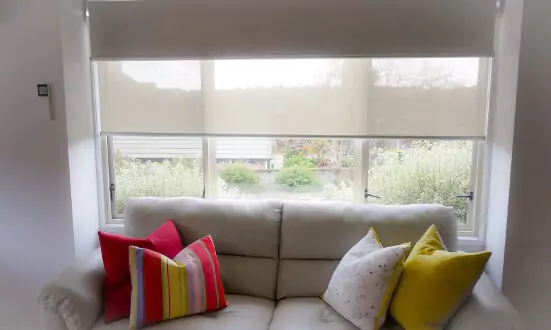
Thanks to dual roller blinds, your home’s blind options are no longer limited to “up” and “down”. The innovative structural design and unbeatable functionality of dual roller blinds give you more control than ever before over the comfort of your home. Learn more below about the biggest benefits of these exciting window solutions, from the experts at Home Vision Blinds.
Sometimes called “double roller blinds” or “night and day blinds”, dual roller blinds support two rolls of blinds thanks to specially designed brackets. Installation is every bit as easy as it is with single roller blinds, while their advanced functionality opens up a wealth of new opportunities for your space.
Because dual roller blinds support two individual rolls, you can pair a blackout roller blind with a light filter or sunscreen blind. This combination allows you to make the most of the day and still block out the light at night, all while maintaining privacy and warmth in your home. What’s more, measuring is as easy as it’s always been for the entire range at Home Vision Blinds, because both rolls are attached to a single bracket across your window.
Browse our amazing range of roller blinds here in Auckland to see our perfect window treatments for yourself.
When you’re looking to enhance the style and functionality of your space, window treatments are one of the most important elements. Dual roller blinds have much to offer in terms of both appearance and flexibility. The most significant benefit of dual roller blinds is the wide range of lighting options available to you. Blackout blinds can preserve your sleep cycle, for instance, while sunscreen blinds can ration afternoon sunlight to make your living space ideal for reading or working.
Dual roller blinds are highly adaptable to your specific lifestyle and preferences. Along with versatility and high functionality, they are a very stylish window covering option. Home Vision Blinds offers a wide range of colours, patterns, textures, and fabrics to choose from. Whether you prefer neutral tones or a more colourful approach, we have the options you need for your perfect look. The simple lines of double roller blinds can fit right in with any décor and will even combine beautifully with curtains.
Dual roller blinds are built with an innovative two-in-one bracket structure, which allows two roller blinds to hang together on the same support while operating independently. You can use both, switch between the two, or opt for partial coverage from each one. This level of control allows you to easily arrange the perfect setting for your needs at the moment.
This window solution is designed to optimise how your home functions throughout the entire year, allowing you to enjoy your space as much as possible. Double roller blinds also have the power to improve your home’s energy efficiency and comfort. Their high-quality materials provide an extra layer of insulation, which will trap heat in the winter and reduce heat from the summer sun.
Dual roller blinds are the most versatile option available for the windows in your home or business and are so durable and easy to use. As Home Vision Blinds explain, they are easy to clean, and designed to be enjoyed for many years to come, offering you high functionality and a great look. This window solution is a very low-maintenance and hassle-free addition to any home.
At Home Vision Blinds, our roller blinds tick all the boxes! They’re easy to use, low-maintenance, cost-effective, and stylish, and just like our vertical blinds, they are available in a wide range of textures and colours, as well as three types of fabric choices depending on whether you intend to simply filter light, or whether you need blackout blinds. Get in touch with the team at Home Vision Blinds today to learn more about what our dual roller blinds can bring to your home!
The window covering industry underwent a major safety overhaul in the mid-90s. Before then, window blind cords had no built-in safety stops, and several children had been injured by strangulation due to window blind cords. New safety requirements were passed which required corded blinds and shades to be redesigned with built-in child-safety features.
Roller blind cord safety is much easier for parents to address today, with modern products like cordless blinds delivering an array of stylish solutions without the worry of dangerous dangling cords. Alternatively, you can easily childproof existing blinds and shades with inexpensive blind cord cleats, cord wraps, or breakaway tassels, and there are several ways to childproof unsafe blind cords without purchasing new products.
Here, we have some great safety tips on how to childproof existing blinds, and an overview of the many choices in cordless blinds and shades.
Probably the simplest blind cord safety fix for standard blinds with pull cords, is the installation of blind cord cleats. These are simple and effective, allowing allow pull cords to be secured safely out of reach. However, they should be used in conjunction with a safety tassel just in case someone is in a hurry, and the cord is not wound up properly.
Another blind cord safety device made to child proof blinds are cord wraps and cord roll-ups. These retractable devices are made to neatly secure blind cords out of reach. Safety-wise, they’re as effective as blind cord anchors but look tidier and don’t require installation into window frames.
It’s also worth mentioning that the blind cord safety tassel (the plastic thimble-like piece at the end of the blind pull cord) can also pose a hazard. If multiple blind control cords are connected with one tassel, it creates a dangerous loop. This is actually one of the major safety hazards that drove the changes within the industry. Luckily, it’s an easy fix. Simply replace the single tassel with a breakaway tassel, or multiple cord tassels. This eliminates the dangerous cord loop.
If you want to eliminate the danger altogether, this is the option for you. Cordless blinds are stylish, safe, and easy to use, and they come in a large variety of styles and colours. It’s no wonder cordless blinds are trending as the window treatment of choice for many homeowners today.
Cordless blinds do not use external cords to function, so children and pets cannot become entangled in them, making them safer by design. This is why many people agree that cordless blinds are the right choice for your windows if you have small children in the home.
Cordless blinds and shades are available in every style imaginable, and many are surprisingly inexpensive. If you’re in the market for new window coverings, it’s easy to avoid the blind cord safety issue altogether.
If you’re planning to upgrade your window coverings, you can explore options like our motorised blinds Auckland which combine safety with convenience and modern design.
It seems that the most effective option to childproof windows in your home is to lock all of them. Nowadays, you can find window locks for every kind of window, and most contemporary models have built-in locks with keys.
Another option is to install wedge-like plastic window stoppers in your windows, including sliding, single-hung, and double-hung ones. These convenient triangular-shaped devices will prevent windows from opening more than 4 inches (10 cm). You can find them in the local hardware store, or order them online. There are a couple of different kinds of window stoppers, but they all basically limit the distance a window can open. Hence, this is a great option for opening the windows just a little bit—four inches at most.
Childproofing your windows and blinds doesn’t have to be complicated. By taking these simple steps you can significantly reduce risks and create a safer environment for your family.
If you’re unsure where to start, getting professional advice can make the process easier. You can book a consultation or showroom visit to explore safe, modern window furnishing options tailored to your home.
When it comes to renovating or decorating small rooms the opportunities can feel very limited. If you’re lamenting how small and confined your bedroom or living space feels, then this blog post is for you. From coordinating your colour scheme to optimising windows with custom blinds, we reveal a variety of simple techniques that you can use without knocking down walls or breaking the bank. To find out more, read on!
If there’s one thing that makes a room feel suffocating and hard to relax in, it’s too much clutter. Think about how much you really need, and which items have just been sitting there, collecting dust for the last ten months. When organising your items, make sure to sort out the things you want to keep from the things you don’t need, don’t think about, or don’t use. You can donate, sell, or discard stuff that you don’t want anymore, and can re-arrange the things you keep to make your space feel orderly and open.
Lighting is an important aspect to consider for every home. If you have access to natural lighting, the best way to make the most of it is to choose the right window blinds. For example, venetian blinds are compact and stylish, offering efficient light control and timeless elegance to any setting. As another example, the easy efficiency and modern design of sunscreen roller blinds make them an excellent solution to consider as well.
For rooms and homes that have limited access to natural lighting, the best thing to do is to maximise artificial lighting. When bringing in artificial lighting, a good rule of thumb is to brighten up every area where a task takes place (e.g., dining room, living room, and study space). For example, light-filtering options allow sunlight in while softening glare, and adjustable blinds let you control brightness throughout the day. Styles like roller blinds NZ and venetian blinds NZ are especially effective because they offer flexible light control without adding visual bulk to the room.
When considering a colour scheme, there are a few ways you can go about it. Coordinating walls, décor, and furniture is a great way of making a space feel balanced and organised. Another tip we suggest is to keep the colour of your walls and ceiling the same, as this helps removes the sense of restrictive corners and allows the mind to perceive the space as larger.
Other recommendations include either going for light hues or opting for a monochromatic colour scheme.
While darker colours can make space feel closer and more intimate, light hues can soften the feel of a space and make it appear more open and airier.
While touches of colour can bring personality into a setting, too much contrast can make a small space feel even more cluttered. Using a monochromatic colour scheme that incorporates only a few tones can help unify a space and make it feel more refreshing.
Often an interior can feel more cramped and stifling if the furniture is too big and blocks up the area. If you’re repositioning furniture that is already in the space, try moving it away from walkways, this will create an open layout and make the area feel larger. For shelving and tall furniture, place them against the walls to keep the floor visible and the space feeling open.
If you’re buying new furniture, the best thing to do is to opt for compact, smaller furniture designs, like armless open chairs, ottomans, and low tables. M. That said, it’s important to avoid making the room too busy with little items though—choose wisely and sparingly. If you fall in love with a piece, make sure to get the dimensions before you buy to see if they fit in your room, and ensure that the furniture is small enough to fit through any hallways or stairwells that connect the entrance to your home to the room. Laying down tape in the room that shows the exact measurement of the furniture will also let you see how much space the item will take up before investing.
Using clear, see-through décor and furniture is a great way of making an interior feel more spacious and minimise the closed-in feeling of a crowded interior. For example, a glass or Lucite tabletop with a sturdy base of wood, stone, or metal will allow you to see to the floor, opening the view.
If you’re looking for ways to arrange items and clear space at the same time, freestanding shelving systems can not only be used to organise and declutter décor, they can also increase a home’s interior design possibilities. For example, in rooms that need to be used for multiple tasks, such as studying and relaxing, freestanding shelving can act as a room divider without making a room feel smaller. You can see the whole space in its entirety.
Window furnishings can make a bigger difference than most people expect. Heavy or bulky curtains can make a room feel smaller, while streamlined blinds can help maintain a clean and open look. For smaller spaces, consider roller blinds for a minimal and modern finish, sunscreen blinds to reduce glare without blocking light, and venetian blinds for adjustable light control.
If you’re exploring options, you can view our range of custom blinds in NZ to find styles that suit both your space and your design preferences.
It’s easy to think that filling a room makes it feel complete—but in small spaces, less is often more. Instead of adding more furniture or décor, focus on a few key pieces that serve a purpose, clean and open surfaces, and thoughtful placement. A well-balanced room will always feel more spacious than one that’s overfilled.
Creating a bright and spacious room isn’t about making big changes—it’s about making the right ones. By focusing on light, layout, colour, furniture, and window furnishings, you can transform even the smallest space into something that feels open, comfortable, and inviting.
If you’re planning an update and want help choosing the right window furnishings, you can book a consultation or showroom visit to explore options tailored to your space.
Choosing the right window furnishing for your home or office can feel overwhelming. With so many styles, materials, and features available, it’s not always easy to know where to start. The good news is: once you understand your options and what each one is best suited for, the decision becomes much simpler.
At Home Vision Blinds, we work with homeowners every day to help them find the right balance between style, functionality, and budget. This guide will walk you through your main options so you can plan ahead and choose with confidence.
Before diving into specific products, it helps to think about what you actually need from your blinds. Here are a few key things to consider:
Once you’ve got a clear idea of your priorities, it becomes much easier to narrow down your options.
Below is a simple breakdown of the most common types of blinds, along with where they work best.
Roller blinds are one of the most popular and versatile options available. They offer a clean, modern look and come in a wide range of fabrics, colours, and textures to suit almost any space. There are several variations to choose from:
If you’d like to explore configurations and fabric choices, you can view our full range of roller blinds in Auckland.
Venetian blinds are known for their excellent light control and adjustability. With tilting slats, you can easily control how much light enters the room without fully raising the blind. They’re available in several materials:
Each option has its own strengths depending on your space and style preferences. To compare finishes and materials, visit our venetian blinds Auckland page.
Vertical blinds are a practical and cost-effective solution, especially for larger openings. They are particularly well suited for sliding doors, large windows, and office spaces. Vertical blinds allow for easy light control and can be drawn neatly to one side, making them ideal for areas with frequent access.
Learn more about configurations and options here vertical blinds Auckland page.
If you’re looking to add personality to your space, patterned blinds can make a big impact. They’re available in a wide variety of colours, textures, prints, and fabric finishes. From subtle, minimalist designs to bold statement pieces, patterned blinds can help tie a room together or become a feature in their own right.
Sometimes, a standard solution isn’t enough. Custom-made blinds allow you to tailor size and fit, fabric and colour, features and functionality. This is especially useful for unusual window shapes, design-focused spaces, and homes requiring a precise finish.
At Home Vision Blinds, our custom blinds are made to suit your exact requirements. Lead times can vary, so it’s always a good idea to plan ahead and confirm fabric availability. To get started, you can book a consultation and we’ll help bring your ideas to life.
If you’re still deciding, here’s a simple way to think about which blinds might suit your needs:
Each option has its place—the right choice depends on how you use your space.
Choosing window furnishings is easier when you know what to watch out for. Some common mistakes include:
Taking a little extra time to plan can make a big difference in the final result.
Choosing the right window furnishing doesn’t have to be complicated. By understanding your options and focusing on what matters most—whether that’s light control, privacy, durability, or style—you’ll be able to find a solution that works perfectly for your space.
If you’re still unsure, getting expert advice can make the process much easier. You can book a showroom visit or consultation to explore your options in person and get tailored recommendations for your home.
Do you know what to look for when buying PVC shutters in New Zealand? At first glance, many shutters can look the same. But once you take a closer look, the differences in quality, safety, and durability become much more noticeable. Choosing the right shutters isn’t just about appearance—it’s about making a long-term investment in your home.
With a little expert know-how, you can avoid common pitfalls and confidently choose shutters that will last for years to come.
One of the most important (and often overlooked) factors when choosing PVC shutters is material safety. Lower-quality PVC products can sometimes release unwanted chemicals, particularly when exposed to heat or direct sunlight. That’s why it’s essential to ask whether the shutters have been tested and certified as non-toxic.
A reputable supplier should be able to provide certification or documentation on request, clearly explain the materials used and be transparent about their manufacturing process. If this information isn’t readily available, it’s worth reconsidering your options. When it comes to your home environment, safety should never be an afterthought.
Not all PVC shutters are built the same—and what’s inside matters just as much as what you see on the outside. High-quality PVC shutters typically include aluminium reinforcements inside each blade, which help prevent sagging, bowing, or warping over time. You can do a few simple checks yourself:
These small details are often the difference between shutters that last a few years and those that last well over a decade.
New Zealand homes are exposed to strong sunlight, so UV protection is essential. Without proper UV stabilisation, PVC shutters can fade or discolour, become brittle over time, and warp under heat exposure.
When comparing products, ask these questions:
A high-quality finish not only improves appearance but also significantly extends the lifespan of your shutters.
A warranty isn’t just a bonus—it’s a reflection of product confidence. When buying PVC shutters, look closely at what’s included. A strong warranty should cover the shutter panels, hinges and hardware, moving components, and paint or coating finish. It’s also worth asking how long the warranty lasts and what it excludes. Clear, straightforward warranty terms are usually a good sign that the supplier stands behind their product.
PVC shutters are known for being durable, moisture-resistant, and low-maintenance, making them ideal for a wide range of spaces. They work particularly well in bathrooms, kitchens, laundry areas, and high-humidity environments. Because they resist moisture better than timber, they’re less likely to warp or crack in these conditions.
If you’re exploring options for your home, you can view our full range of PVC shutters in Auckland to see available styles, colours, and configurations.
If you’re still deciding, it helps to compare PVC shutters with other common materials.
PVC shutters offer a strong balance between affordability, durability, and style, which is why they’re a popular choice for many New Zealand homes.
It can be tempting to choose the lowest price—but shutters are a long-term investment, and cheaper options often come with trade-offs. Lower-cost products may use lower-grade PVC, lack internal reinforcement, have shorter warranties, or require replacement sooner.
Instead of focusing purely on upfront cost, think about overall value, including lifespan, maintenance requirements, and performance over time. Spending slightly more upfront can often save money in the long run.
The supplier you choose plays a big role in the final result. Look for a company that has experience in the industry, is transparent about materials and construction, offers clear warranties, and provides helpful, pressure-free advice.
If possible, visiting a showroom can make a big difference. Seeing the shutters in person allows you to compare quality, finishes, and construction details side by side. You can also explore your options and get tailored advice for your home.
Even with the best intentions, it’s easy to make a few missteps when buying PVC shutters.
Here are some common mistakes to watch out for:
Avoiding these pitfalls can help ensure you get shutters that look great and perform well over time.
Choosing the right PVC shutters doesn’t have to be complicated. By focusing on certified safe materials, strong internal construction, UV protection, reliable warranties, and a trusted blinds manufacturer, you’ll be well-equipped to make a confident and informed decision. With the right shutters in place, you can enjoy a stylish, practical window covering that enhances your home and stands the test of time.