The Complete Guide to Choosing Blinds for Auckland’s Climate in 2025
Auckland’s unique subtropical climate presents both opportunities and challenges for homeowners choosing window treatments. With temperatures that typically peak between 24-26°C in January and February and humidity that remains relatively high year-round, selecting the right blinds isn’t just about style—it’s about protecting your home, reducing energy costs, and maintaining comfort throughout the changing seasons.
As Auckland’s leading blind manufacturer with over 30 years of local experience, we’ve helped 60,000+ Kiwi families navigate these climate considerations. This comprehensive guide will help you make informed decisions that work specifically for Auckland’s weather patterns.
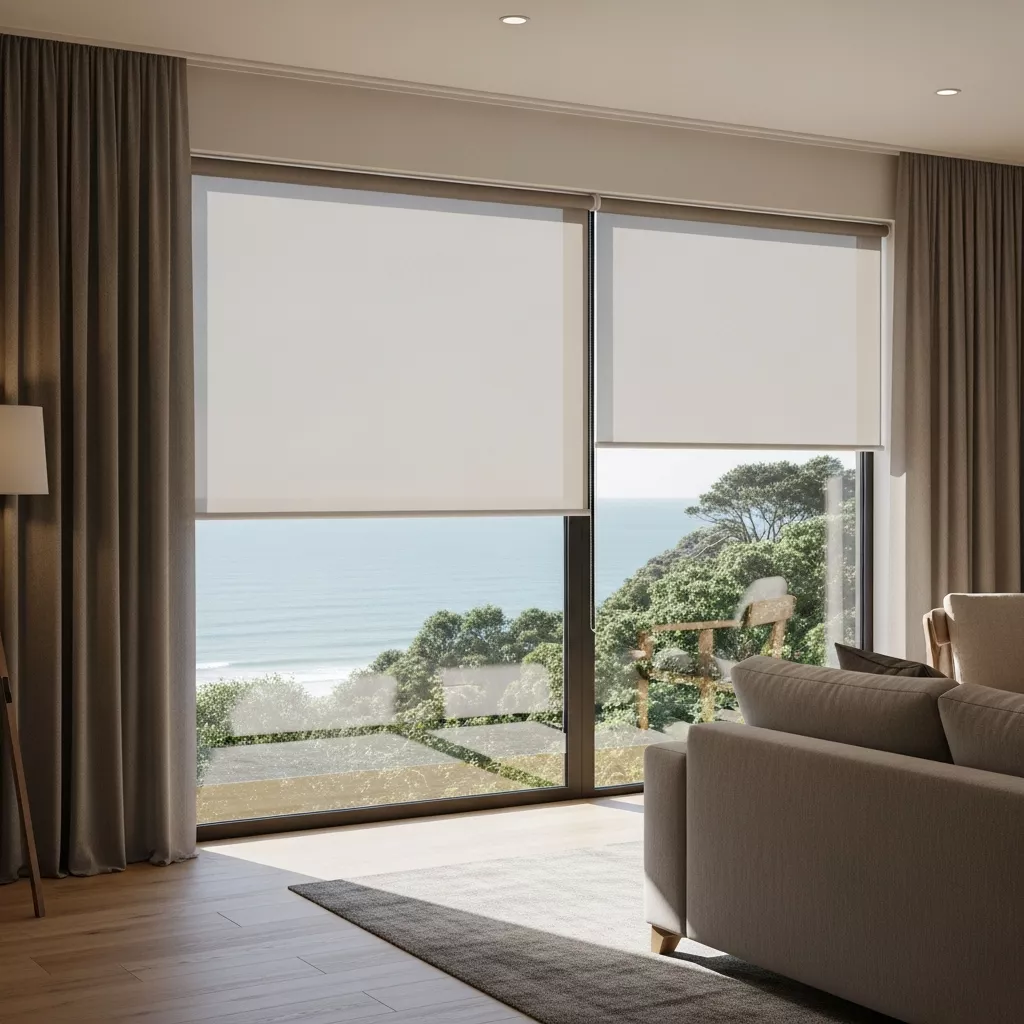
Understanding Auckland’s Climate Challenges for Window Treatments
The Subtropical Reality
Auckland experiences a subtropical climate, positioning it in a unique zone where traditional temperate climate advice doesn’t always apply. This creates specific requirements for window treatments that many homeowners don’t initially consider.
Key Climate Factors Affecting Your Blinds:
- High Humidity Levels: Auckland’s coastal position means moisture is constant. This affects material selection, particularly for wooden blinds and certain fabrics that may warp, swell, or develop mold.
- Intense UV Radiation: Protection is required when UV radiation is damaging (when UV levels are 3 or higher), which occurs frequently in Auckland. Without proper window protection, furniture fading and increased indoor temperatures become significant issues.
- Variable Seasonal Patterns: In Auckland, the summers are short and comfortable, the winters are cold and wet, and it is windy and partly cloudy year round. Your blinds need to handle both summer heat and winter moisture effectively.
- Maritime Influence: Salt air from the harbors can accelerate corrosion of metal components and affect fabric longevity, particularly in coastal suburbs like Mission Bay, Devonport, or Takapuna.
The Climate-Smart Blind Selection Framework
1. Material Performance in Auckland’s Conditions
Aluminium Venetians: The Office Solution
- Best for: Office or garage settings
- Climate limitations: While the slats are aluminium, other internal components are not marine-grade, making them unsuitable for coastal houses
- Style note: Considered old-fashioned or too office-like for most NZ residential customers
- UV protection: Excellent when closed, adjustable light control when partially open
- Energy efficiency: Reflects heat effectively, reducing cooling costs by up to 25%
PVC Faux Wood: The Humidity Hero
- Best for: Bathrooms, laundries, and high-moisture areas
- Climate advantage: Designed for New Zealand’s humidity, won’t swell or crack
- Maintenance: Simply wipes clean—ideal for Auckland’s dusty, humid conditions
- Durability: Our VisionWood® specifically engineered for the NZ maritime climate
PVC Shutters: The Coastal Premium Choice
- Best for: Expensive houses by the sea, high-end coastal properties
- Climate advantage: Custom-made overseas, fully moisture and salt-resistant
- Style benefit: Premium aesthetic that complements coastal architecture
- Investment: Higher cost but exceptional durability in harsh coastal conditions
Dual Roller Blinds: The Coastal Favorite
- Best for: Coastal houses seeking versatility and style
- Popular choice: Many seaside homeowners opt for this flexible solution
- Climate advantage: Combines blockout and sunscreen options in one system
- Practical benefit: Easy operation and maintenance in salt air environments
Sunscreen Roller Blinds: The UV Shield
- Best for: North and west-facing windows across all Auckland suburbs
- Climate advantage: Glare and harmful UV light is greatly diminished while maintaining views
- Energy savings: Can reduce heat gain by up to 77%, crucial for Auckland summers
- Fabric selection: Darker shades absorb more solar radiation and transmit less light, offering better visibility during the day
Vertical Blinds: The Versatile Performer
- Best for: Large windows and sliding doors common in Auckland homes
- Climate advantage: Individual slats allow precise airflow control
- Practical benefit: Easy to clean—important with Auckland’s combination of salt air and urban dust
2. Room-by-Room Climate Considerations
Living Areas (North-Facing): Auckland’s north-facing rooms receive intense sun exposure. Sunscreen blinds with 5-10% openness factors work best, blocking UV while preserving natural light. For energy efficiency, combine with blockout blinds for a dual-system approach.
Bedrooms (East-Facing): Morning sun in Auckland can be intense. Blockout roller blinds provide sleep comfort, while adding day/night honeycomb blinds creates an insulation barrier against temperature fluctuations.
Bathrooms and Wet Areas: Auckland’s high humidity makes PVC venetians or moisture-resistant roller fabrics essential. Avoid real wood in these spaces—even treated timber struggles with sustained humidity.
Home Offices (Variable Orientations): Glare control is crucial for screen work. Sunscreen blinds reduce glare by up to 94% while maintaining exterior views—perfect for Auckland’s scenic locations.
Auckland Suburb-Specific Recommendations
Coastal Suburbs (Mission Bay, Devonport, Takapuna)
- Primary concern: Salt air corrosion
- Best materials: PVC shutters, dual roller blinds, high-quality PVC options
- Avoid: Standard venetians with non-marine components, untreated timber
- Special consideration: Regular cleaning schedules to prevent salt buildup
Inner City (CBD, Ponsonby, Grey Lynn)
- Primary concern: Urban pollution and noise
- Best materials: Easy-clean surfaces like quality roller blinds
- Special consideration: Acoustic properties for traffic noise reduction
- Energy focus: Cooling costs in high-density, heat-absorbing areas
Outer Suburbs (Henderson, Botany, Albany)
- Primary concern: Larger windows, more sun exposure
- Best materials: Sunscreen blinds for large glass areas
- Cost consideration: Bulk installation opportunities for whole-house solutions
- Energy focus: Heating efficiency in winter months
North Shore Hills (Browns Bay, Mairangi Bay)
- Primary concern: Wind exposure and elevation
- Best materials: Sturdy mechanisms, wind-resistant designs
- Special consideration: Motorization for hard-to-reach windows
- View preservation: Sunscreen blinds to maintain harbor views
Energy Efficiency: Real Auckland Savings
The 30% Power Bill Reduction Strategy
Our experience with Auckland homes shows consistent energy efficiency patterns:
Summer Cooling Savings:
- Sunscreen blinds: 20-35% reduction in air conditioning costs
- Quality roller systems: 15-25% reduction
- Cellular/honeycomb blinds: 25-40% reduction
Winter Heating Benefits:
- Insulating blinds reduce heat loss by up to 55%
- Auckland’s mild winters mean heating savings of 15-20% are achievable
- Best performance when blinds create sealed air pockets
Year-Round Comfort: Auckland homeowners report 3-5°C temperature improvements with quality climate-appropriate blinds, reducing reliance on heating and cooling systems.
Maintenance for Auckland’s Climate
Seasonal Maintenance Calendar
Summer (December-February):
- Clean salt residue from coastal areas monthly
- Check UV damage on exposed fabrics
- Ensure mechanisms operate smoothly in high humidity
Autumn (March-May):
- Deep clean before winter moisture
- Inspect seals and weatherproofing
- Check for any summer heat damage
Winter (June-August):
- Monitor for condensation-related issues
- Ensure proper ventilation around blinds
- Check insulation performance
Spring (September-November):
- Post-winter inspection for moisture damage
- Prepare for summer UV exposure
- Professional mechanism service if needed
Climate-Specific Care Tips
For Aluminium Venetians: Dust regularly and clean blades with a damp cloth to maintain appearance and function.
For Fabric Blinds: Use dehumidifiers in rooms with poor ventilation to prevent mold growth during Auckland’s humid periods.
For Motorized Systems: Ensure electronics are protected from moisture; consider dehumidification in particularly humid rooms.
Smart Technology for Auckland Homes
Weather-Responsive Automation
Modern smart blinds can automatically respond to Auckland’s variable weather:
- Temperature Controls: Adjust throughout the day to maintain optimal indoor climate
- Weather Integration: Respond to Auckland weather forecasts for energy optimization
- Humidity Monitoring: Adjust ventilation automatically in high-moisture conditions
- Scheduled Operation: Program blinds to optimize energy efficiency based on daily patterns
Cost Considerations: Auckland Market Insights
Investment Priorities for Auckland Climate
Highest ROI Investments:
- UV protection for north and west-facing windows (prevents furniture fading worth thousands)
- Moisture-resistant materials in wet areas (prevents costly replacement)
- Energy-efficient solutions for large windows (immediate power bill reduction)
Budget-Friendly Climate Solutions:
- Quality roller blinds for most rooms (durable, affordable, climate-appropriate)
- PVC alternatives in wet areas (cheaper than constant timber replacement)
- Sunscreen blinds for critical sun-exposed areas only
Premium Climate Investments:
- Smart automation for weather responsiveness
- PVC shutters for coastal premium properties
- High-performance cellular blinds for maximum insulation
- Dual roller systems for versatile light control
Common Auckland Climate Mistakes to Avoid
Material Selection Errors
Don’t Choose: Real wood venetians for bathrooms or high-humidity areas. Do Choose: PVC VisionWood® alternatives designed for NZ conditions.
Don’t Choose: Standard fabric roller blinds for west-facing windows without UV treatment. Do Choose: Sunscreen fabrics with proven UV protection ratings.
Don’t Choose: Standard venetians with non-marine components in coastal areas. Do Choose: PVC shutters or dual roller systems tested for NZ coastal conditions.
Installation Oversights
- Inadequate Ventilation: Blinds need airflow to prevent condensation buildup
- Wrong Mounting: Coastal areas need secure mounting for wind resistance
- Poor Sealing: Energy efficiency requires proper installation to create insulation barriers
Frequently Asked Questions
What blinds work best in Auckland’s humid climate?
PVC venetians and quality roller blinds perform best in Auckland’s humidity. These materials won’t warp, swell, or develop mold like natural timber can. For wet areas like bathrooms, our VisionWood® PVC range is specifically engineered for New Zealand conditions.
How do Auckland weather conditions affect blind longevity?
Auckland’s combination of UV exposure, humidity, and salt air (in coastal areas) can reduce blind lifespan by 30-40% if inappropriate materials are chosen. However, climate-appropriate materials like quality PVC and marine-suitable fabrics actually perform well in our conditions.
Should I choose different blinds for different seasons in Auckland?
Rather than changing blinds seasonally, choose versatile solutions that handle Auckland’s year-round challenges. Sunscreen blinds work year-round for UV protection, while adjustable systems provide seasonal light control without replacement needs.
What’s the best blind color for Auckland’s sun exposure?
Darker shades absorb more solar radiation and transmit less light, offering better visibility during the day, while lighter colors reflect heat better. For Auckland, medium tones often provide the best balance of visibility and heat reflection.
Do I need a special installation for Auckland’s coastal areas?
Yes, coastal installations require appropriate hardware and additional securing for wind resistance. Salt air also demands more frequent maintenance schedules—quarterly cleaning vs. annual for inland areas.
How much can quality blinds save on power bills in Auckland?
Auckland homeowners typically see 15-30% reduction in heating and cooling costs with climate-appropriate blinds. The exact savings depend on window orientation, blind type, and home insulation, but average savings are $200-500 annually for a typical Auckland home.
Your Next Steps: Climate-Smart Blind Selection
Recommendation Checklist
Before choosing blinds for your Auckland home, consider:
✓ Window orientation: North and west need maximum UV protection.
✓ Suburb location: Coastal areas need salt-resistant materials.
✓ Room humidity levels: Wet areas need moisture-resistant options.
✓ Energy goals: Identify heating/cooling priorities.
✓ View priorities: Balance protection with outlook preservation.
✓ Budget allocation: Prioritize climate-critical windows first
Professional Auckland Recommendations
Every Auckland home faces unique climate challenges based on elevation, orientation, and proximity to water. Our local team has worked with over 60,000 windows in Auckland and understands the microclimates across the region.
What We Recommend Based On:
- Specific suburb climate challenges
- Window exposure and vulnerability
- Existing energy efficiency needs
- Humidity and ventilation patterns
- Long-term durability requirements
Our Product Warranty:
- Product warranty based on manufacturer specifications
- Quality materials tested for NZ conditions
- Professional installation standards
Ready to protect your Auckland home with climate-smart blinds? Book your free measure and quote today. Our Auckland team services from the CBD to Pokeno and Warkworth, bringing 30+ years of local climate expertise directly to your home.